


Role of Pet Accessories in Comfort at Home
Finding the perfect balance between your pet’s comfort and your home’s aesthetic can feel like a real challenge for urban pet owners. With pets increasingly seen as family members, the demand for stylish yet functional accessories is higher than ever. Today’s pet accessories are crafted to improve comfort and safety through sleek beds, thoughtful feeding tools, and innovative designs that nurture both human and animal bonds while blending effortlessly into modern interiors.
Table of Contents
- Defining Pet Accessories For Comfort
- Types Of Pet Accessories And Their Functions
- Understanding Multifunctional Design
- Comfort-Specific Accessory Functions
- Design Features That Maximize Comfort
- How Material Choices Affect Pet Well-Being
- Integrating Accessories Into Modern Interiors
- Common Mistakes In Selecting Pet Accessories
Key Takeaways
| Point | Details |
|---|---|
| Purpose of Pet Accessories | Pet accessories enhance both the practical and emotional needs of pets, integrating comfort solutions into home design. |
| Categories of Accessories | Key categories include resting spaces, feeding products, interactive items, safety gear, and grooming tools that focus on comfort and well-being. |
| Design Considerations | Choose accessories with intentional design elements that focus on ergonomics, material quality, and environmental integration for optimal comfort. |
| Avoiding Common Mistakes | Prioritize your pet’s needs and research products thoroughly to avoid choosing unfit or low-quality accessories. |
Defining Pet Accessories for Comfort
Pet accessories are far more than decorative add-ons or impulse purchases. They represent a carefully curated collection of products designed to enhance your pet’s daily life while fitting seamlessly into your home environment. At their core, pet accessories encompass items that address both the practical and emotional needs of your animals, from functional pieces that support their physical well-being to thoughtful designs that foster connection between pets and their humans.
The scope of pet accessories is surprisingly broad. Pet products improve comfort and safety through beds, collars, toys, and feeding tools that go beyond meeting basic needs. These items also contribute to emotional support and life satisfaction, recognizing that modern pets are family members deserving of purposeful investment in their wellbeing. For design-conscious urban homeowners, this means selecting accessories that don’t just function well but also align with your interior aesthetic.
When thinking about comfort-focused pet accessories, consider these categories:
- Resting spaces (beds, cushions, mats) that provide support and security
- Feeding and hydration products (bowls, dispensers, water fountains) that encourage healthy habits
- Interactive and enrichment items (toys, scratchers, climbing furniture) that support mental stimulation
- Wearables and safety gear (collars, leashes, harnesses) that protect during daily activities
- Grooming and hygiene accessories (brushes, nail care tools, bath products) that support health maintenance
The distinction between functional and comfort-focused accessories matters. A generic plastic food bowl keeps your pet fed. A thoughtfully designed, elevated feeding station protects their neck and posture while fitting into your kitchen without visual disruption. Similarly, any bed provides a place to sleep, but cosy pet beds for modern homes create a sanctuary that supports better rest and reduces anxiety.
Pet accessories today serve dual purposes: they solve real comfort challenges for your pet while becoming integrated elements of your home design rather than visual compromises.
What sets comfort-oriented accessories apart is intentional design. They balance several considerations simultaneously: your pet’s physical needs, behavioral patterns, emotional security, and your own desire for a cohesive living space. This isn’t about choosing between your home’s aesthetic and your pet’s comfort anymore. Modern accessories bridge that gap entirely.
Urban living often means limited space, which makes every piece of furniture and decor carry more weight. Your pet’s bed isn’t just a place they sleep; it’s a visible element of your living room, bedroom, or workspace. Your pet’s toys aren’t hidden away in a basket; they’re part of your environment. This reality has driven a shift toward accessories that work harder, look better, and genuinely improve daily life for both pets and owners.
Understanding this definition helps you shop with clarity. You’re not looking for the cheapest option or the trendiest design. You’re seeking accessories that solve specific comfort challenges for your pet while respecting your home’s design language. Whether that’s a minimalist sleeping space in neutral tones or a cozy corner that feels like a retreat, the goal remains consistent: creating an environment where your pet genuinely feels more comfortable and secure.
Pro tip: Before purchasing any pet accessory, write down the specific comfort problem you’re solving (poor sleep quality, anxiety during transitions, lack of enrichment) and evaluate options against that criteria rather than design appeal alone.
Types of Pet Accessories and Their Functions
Pet accessories fall into distinct categories, each serving specific purposes in your pet’s daily life. Understanding what different types do helps you make informed choices that genuinely improve your pet’s comfort rather than simply filling your home with unused items. The global pet accessories market encompasses various products categorized by type including toys and clothing, housing, bedding and feeding items, collars, leashes, utility gear, and hygiene products.
Each category addresses different aspects of pet wellbeing:
- Resting and housing accessories create secure spaces where pets feel protected and calm
- Feeding and hydration products support proper nutrition and encourage healthy eating habits
- Toys and enrichment items provide mental stimulation and prevent boredom-related behaviors
- Collars, leashes, and safety gear enable secure outdoor time while protecting your pet
- Grooming and hygiene products maintain health and support preventive care
- Clothing and protective wear offer temperature regulation and environmental protection
Understanding Multifunctional Design
Modern pet accessories increasingly blend multiple functions into single items. Rather than owning separate pieces for different purposes, today’s options do more with less space. Pet accessories serve multiple purposes beyond aesthetics, enhancing comfort, safety, and happiness while aiding owners in daily routines.
Think about practical examples. A cooling dog bandana protects against heat while soothing anxious pets. An interactive puzzle toy entertains while encouraging problem-solving skills. A leash with an integrated waste bag dispenser and LED lights handles safety, convenience, and visibility in one piece. These multifunctional items are increasingly favored due to their space-saving designs and efficiency in modern pet care.
Multifunctional pet accessories solve real problems for urban dwellers: they occupy less physical space, serve multiple needs simultaneously, and often cost less than buying separate single-purpose items.
For design-conscious homeowners, this matters significantly. Your pet’s bed doesn’t just cushion them; it can also improve their joint health through supportive memory foam. Your feeding station doesn’t just hold food; it can incorporate water fountains that encourage hydration. A single grooming tool might brush, de-shed, and detangle simultaneously. This approach means fewer items cluttering your space while delivering more value.
Comfort-Specific Accessory Functions
When prioritizing comfort, certain accessories rise above others. Bedding and resting spaces directly impact your pet’s physical health and emotional security. Quality beds reduce joint strain, support better sleep, and create sanctuary spaces where anxious pets feel secure. Your pet spends roughly 12 to 16 hours daily resting, making this investment genuinely consequential.
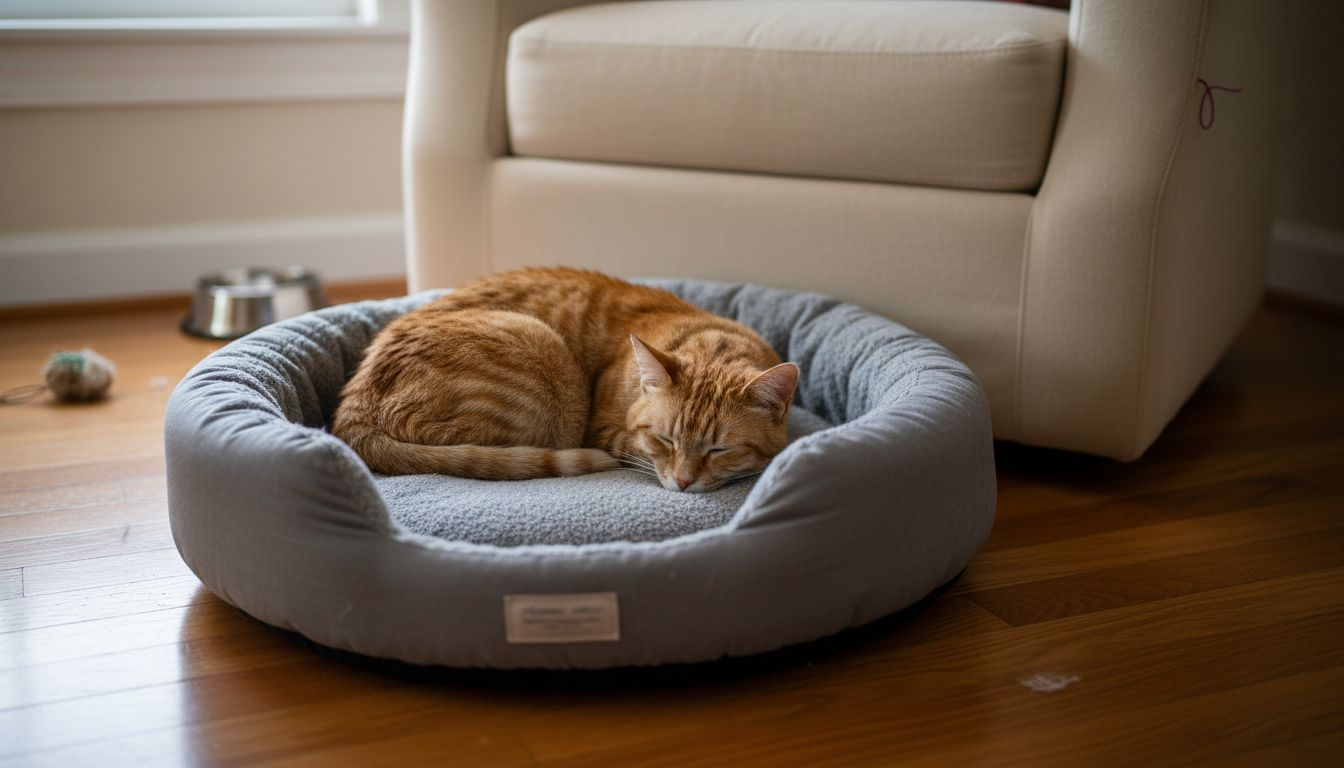
Environmental comfort items address temperature, air quality, and stress reduction. Cooling pads help pets regulate body temperature during hot months. Humidifiers or air purifiers support respiratory health. Anxiety wraps or pressure vests calm nervous pets through gentle compression. These aren’t luxury items; they’re functional solutions to genuine comfort challenges.
Interactive and enrichment accessories support mental comfort. Bored pets develop destructive behaviors and anxiety. Puzzle toys, treat dispensers, and rotating toy collections keep minds engaged. This mental stimulation directly reduces stress and supports emotional wellbeing, which physical comfort alone cannot achieve.
Feeding accessories influence digestion, posture, and eating behaviors. Elevated feeders reduce neck strain. Slow feeder bowls prevent rapid eating that causes digestive issues. Water fountains encourage hydration. These subtle design choices compound over time, supporting better health outcomes.
When selecting accessories, ask what specific comfort need each item addresses. A beautiful bed means nothing if your pet won’t use it. A toy provides no benefit if it sits untouched. Purpose-driven selection ensures every item actually improves your pet’s daily experience rather than simply decorating your home.
Pro tip: Start by observing your pet’s natural behaviors for a week, noting where they rest, play, and seek comfort, then select accessories that support these existing patterns rather than forcing new ones.
Design Features That Maximize Comfort
Comfort doesn’t happen by accident. It results from intentional design choices that address how your pet actually moves, rests, and interacts with their environment. The most effective pet accessories combine ergonomics, flexibility, and emotional needs to create products that work harmoniously within your home. Modern designers approach pet furniture and accessories under the concept of human-pet symbiosis, ensuring that what works for your pet also fits seamlessly into your lifestyle.
When evaluating design features, look for these core elements:
- Material composition that balances durability, washability, and comfort
- Ergonomic shaping that supports natural body positions and reduces strain
- Modular designs that adapt to different home layouts and pet sizes
- Breathability and temperature regulation built into fabrics and structures
- Non-slip surfaces that prevent sliding and provide stability
- Easy-access design that accommodates older pets or those with mobility concerns
- Removable, washable covers that simplify cleaning and maintenance
Materials That Support Comfort
The materials used in pet accessories directly impact comfort. Memory foam bases conform to your pet’s body shape, reducing pressure points and supporting joints. This becomes especially important for aging pets or those prone to joint issues. Natural fiber covers like cotton and linen breathe well, preventing heat buildup during sleep. Orthopedic-grade padding provides structured support rather than soft cushioning that collapses over time.
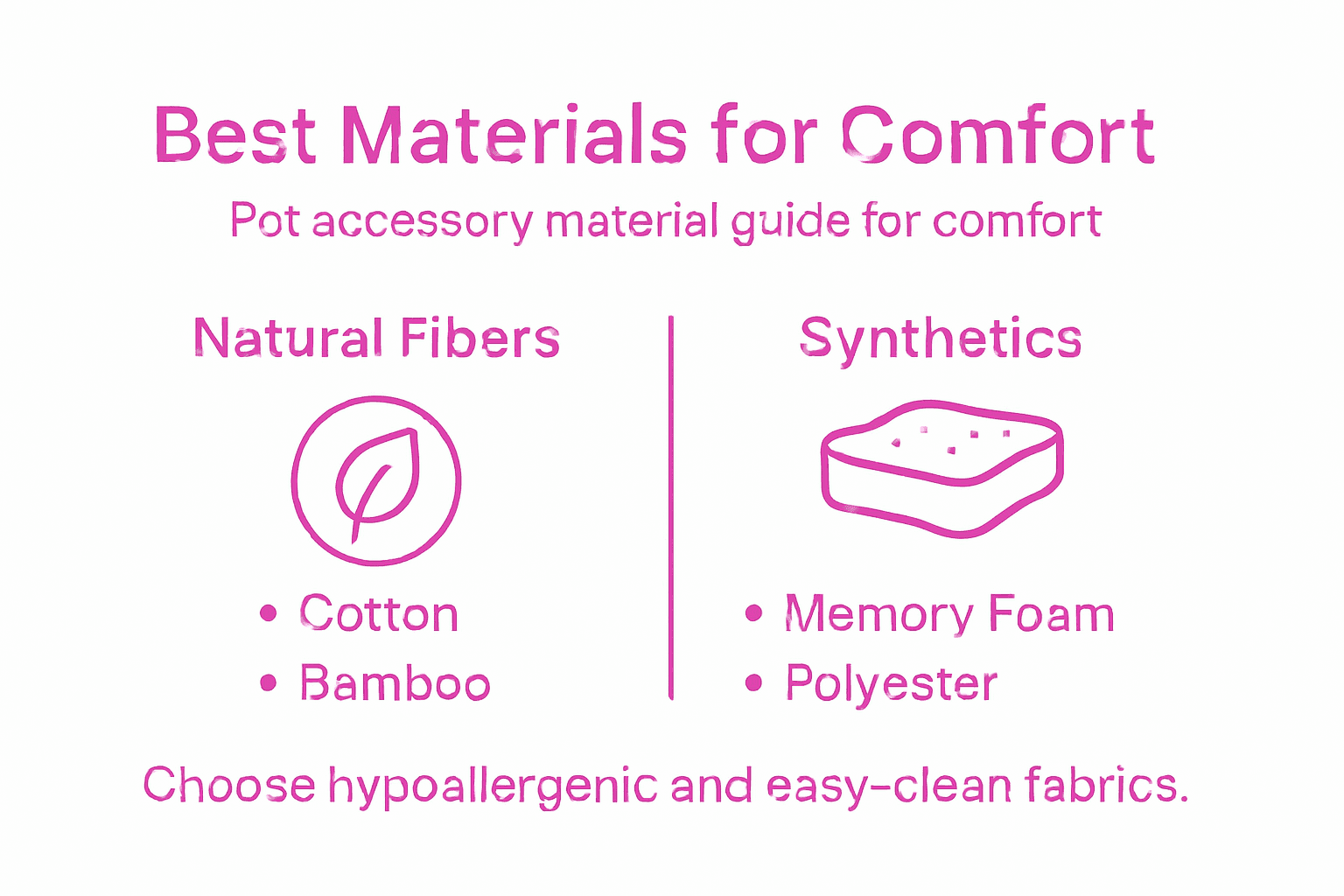
Texture matters too. Pets have sensory preferences. Some prefer plush, cozy textures while others find them overwhelming. Raised mesh fabrics allow air circulation and appeal to pets that overheat easily. Quilted surfaces provide tactile interest and security. The best design considers these variations. Quality accessories often feature design features including material choice, color, and shape that meet emotional and physical comfort for pets.
Here’s a quick comparison of material options for pet accessories and their impact on comfort:
| Material Type | Comfort Benefit | Potential Drawback |
|---|---|---|
| Organic Cotton | Breathable and soft | Requires frequent washing |
| Memory Foam | Supports joints, relieves pressure | Can retain heat easily |
| Bamboo Fabric | Antimicrobial and cool | Less durable than synthetics |
| Polyester (High-Quality) | Stain-resistant, durable | May trap heat if low quality |
| Linen | Prevents overheating | Wrinkles easily |
Materials are not just about aesthetics. They directly influence how much your pet actually uses an accessory and how much comfort they receive from it.
Structural Design for Support
The shape and structure of pet accessories influence comfort significantly. Raised edges and bolsters provide security, giving pets something to rest their head against. This mimics den-like environments where animals naturally feel safe. Pets with anxiety often gravitate toward accessories with defined boundaries because they reduce feelings of exposure.
Elevated designs lift your pet slightly off cold floors, reducing heat loss and joint stress. This matters year-round but becomes critical in winter months. Sloped or contoured surfaces encourage proper spinal alignment during sleep, reducing soreness and stiffness upon waking.
Modular constructions adapt to your space and your pet’s needs. A bed that separates into sections accommodates multiple pets or fits into tight corners. Expandable structures grow with your pet or adjust based on seasonal needs. This flexibility means the accessory remains useful through different life stages rather than requiring replacement.
Design for Accessibility
Comfort includes the ability to actually use an accessory. Low-entry designs prevent older or injured pets from struggling to climb into beds. Wide, gentle slopes replace steep edges. Non-slip bases keep accessories from shifting during movement.
For multi-pet households, appropriately sized compartments allow pets to share space without feeling crowded. Some designs include separate zones within a single unit, letting pets enjoy proximity while maintaining personal space.
The best comfort-focused designs anticipate your pet’s physical limitations and design around them. A beautiful accessory that your pet cannot comfortably access provides no benefit. Conversely, a thoughtfully designed piece that accommodates your pet’s actual body and movement patterns becomes part of their daily routine naturally.
Pro tip: Before purchasing, observe how your pet currently rests and moves throughout your home, then select accessories with design features that match their preferred positions and comfort patterns rather than fighting against their natural instincts.
How Material Choices Affect Pet Well-Being
The materials in your pet’s accessories touch their skin, enter their lungs, and influence their daily comfort in ways you might not immediately recognize. Material choice fundamentally shapes whether an accessory supports your pet’s well-being or compromises it. Innovative materials like bamboo, recycled plastics, and organic cotton provide comfort, durability, and safety while ensuring accessories are non-toxic, breathable, and hypoallergenic. This matters because poor material choices don’t just feel uncomfortable; they can cause respiratory issues, skin irritation, and stress that undermines your pet’s overall wellness.
Not all pet accessories meet animal welfare standards. Many commonly sold products fail to support adequate well-being due to unsuitable materials or poor design that can adversely affect pet health. This underscores why understanding material properties matters. Your pet cannot communicate that their bed causes allergic reactions or that their toys off-gas chemicals. You must make informed choices on their behalf.
When evaluating materials, consider these critical properties:
- Breathability prevents heat buildup and allows moisture to escape
- Non-toxicity ensures no harmful chemicals leach into your pet’s environment
- Hypoallergenic properties reduce risk of skin reactions and sensitivities
- Durability means the accessory maintains its structure through washing and use
- Washability enables regular cleaning without material degradation
- Natural fiber content often outperforms synthetic alternatives for skin safety
Natural Fibers Versus Synthetic Materials
Organic cotton and linen breathe exceptionally well, making them ideal for pets that sleep for extended periods. These materials allow air circulation, reducing trapped heat and moisture that can cause discomfort or fungal growth. They’re naturally softer against sensitive skin and don’t contain chemical finishes that irritate. The downside? They require more frequent washing and can wrinkle or develop odors more quickly than synthetics.
Sustainable alternatives like bamboo fabric offer similar breathability to cotton while being naturally antimicrobial. Bamboo requires fewer pesticides to grow than cotton, making it gentler on both your pet and the environment. It’s particularly beneficial for pets prone to allergies or skin sensitivity.
Synthetic materials like polyester hold their shape longer and resist staining more effectively. However, lower-quality synthetics trap heat, limit airflow, and may contain chemical coatings that off-gas. Recycled polyester offers a middle ground, providing durability while reducing environmental impact. The key distinction lies in quality: premium synthetic fabrics with proper breathability perform better than budget alternatives.
How Material Choices Affect Specific Concerns
For allergic or sensitive pets, natural fiber beds significantly reduce reactions. Synthetic dyes and chemical finishes often trigger itching, while organic materials minimize these irritants. If your pet scratches excessively or shows skin irritation, material composition should be your first consideration.
For older pets with joint issues, material firmness matters as much as fiber type. Memory foam bases wrapped in breathable cotton provide both support and comfort. Harder synthetic foams don’t conform to body shape, reducing their therapeutic benefit.
For anxious pets, texture influences emotional response. Some pets find soft, plush natural materials calming, while others prefer the sensory feedback of woven or mesh fabrics. Observe your pet’s preferences before selecting accessories.
The most expensive accessory means nothing if your pet’s body reacts negatively to its materials. Comfort is as much about what the material does to your pet’s body as how the product is shaped.
Making Informed Material Choices
Look for products with transparent material declarations. Reputable brands list fiber content percentages and specify whether materials are organic, recycled, or conventionally produced. Avoid vague descriptions like “premium blend” without specifics.
Consider your climate too. In humid environments, natural breathable materials prevent moisture buildup. In dry climates, slightly denser materials prevent overheating while maintaining airflow. Your home’s conditions influence which materials will actually work best for your pet.
Test materials yourself before purchasing if possible. Run your hands across the texture, assess breathability by holding it against your face, and check for any chemical smell that suggests off-gassing. Your senses pick up on qualities that benefit your pet.
Pro tip: Purchase one accessory in a new material and observe your pet’s response for two weeks before buying multiples; skin reactions, behavior changes, or increased scratching indicate the material isn’t right for your pet, regardless of how suitable it seems in theory.
Integrating Accessories Into Modern Interiors
Your pet’s comfort doesn’t require sacrificing your home’s aesthetic. The old choice between a beautiful space and a pet-friendly one no longer exists. Modern interior design embraces inclusive design approaches that integrate pet-friendly features into harmonious environments for all species. This shift recognizes that pets are permanent members of your household, deserving thoughtful space planning rather than afterthought accommodations. When you intentionally design your interior with your pet in mind, both you and your animal enjoy enhanced comfort and satisfaction.
The key is strategic placement and color coordination. Rather than hiding pet accessories in corners, position them where your pet naturally gravitates while visually anchoring them to your design scheme. A neutral-toned bed in your living room’s reading nook becomes a design element rather than an eyesore. Feeding stations positioned near kitchen cabinetry blend seamlessly instead of disrupting the space. Toys stored in baskets that match your decor serve double duty as storage and design accent.
Consider how pet accessories interact with your existing elements:
- Color palette alignment ensures accessories complement rather than clash with walls, furniture, and artwork
- Material consistency creates visual harmony when pet products match your home’s overall aesthetic
- Scale and proportion prevent oversized accessories from overwhelming smaller spaces or undersized pieces from disappearing
- Functional zones designate specific areas for pet activities without scattering items throughout your home
- Vertical integration uses wall-mounted accessories and shelving to maximize space efficiency
- Quality finishes elevate the perceived value of pet accessories to match your home’s design standards
Creating Dedicated Pet Zones
Design-forward pet zones concentrate your pet’s items into curated spaces rather than distributing them randomly. A dedicated corner in your bedroom or living room becomes a cohesive vignette. This approach offers multiple advantages: your pet understands their designated space, you control the visual impact, and the area becomes intentional rather than cluttered.
When creating zones, match the aesthetic to surrounding spaces. In minimalist homes, choose pet accessories with clean lines and monochromatic colors. In eclectic spaces, allow textures and patterns that coordinate without matching exactly. The goal is design harmony, not visual invisibility.
Vertical solutions maximize small spaces while maintaining visual balance. Wall-mounted cat shelves become architectural elements. Elevated food and water stations reduce floor clutter. Hanging toy organizers keep play items accessible without creating visual chaos. These choices benefit both space efficiency and interior design.
Material and Finish Considerations
Pet accessories don’t have to look utilitarian. Modern options feature finishes and materials that elevate them to true design elements. Natural wood bases blend with furniture. Linen coverings coordinate with upholstery. Subtle color blocking creates visual interest without overwhelming spaces.
When selecting accessories, evaluate finish quality as much as comfort features. A bed with quality stitching and tailored appearance looks intentional rather than functional-only. A feeding station with polished hardware and finished edges commands presence as furniture rather than appearing utilitarian.
Thoughtful integration means your pet’s accessories enhance your interior design rather than compete with it—they should feel as intentionally placed as any other element in your home.
Balancing Comfort and Style
The best pet accessories serve both purposes equally. A plush bed that coordinates with your bedroom palette provides genuine comfort while contributing to your design scheme. A feeding station that matches your kitchen cabinetry supports proper posture and hydration while functioning as part of your kitchen design.
This balance requires intentionality during selection. Evaluate each piece against three criteria: Does it genuinely comfort my pet? Does it visually enhance my space? Is the quality sufficient to justify its presence? If an accessory fails any criterion, it’s not the right choice regardless of how well-designed it appears.
Design-conscious urban homeowners often worry about pet ownership compromising their carefully curated spaces. Modern pet accessories eliminate this conflict entirely. You can maintain your design aesthetic while ensuring your pet enjoys genuine comfort and security. The two goals are not opposing forces; they’re complementary aspects of creating a truly functional home.
Pro tip: Before purchasing any pet accessory, photograph your space and use design software or a simple sketch to visualize how it will look in context; this prevents impulse purchases that seemed perfect in isolation but clash with your actual environment.
Common Mistakes in Selecting Pet Accessories
Good intentions don’t guarantee good outcomes when selecting pet accessories. Many people make consistent errors that undermine their pets’ comfort and safety despite investing time and money. Common mistakes include choosing poor-quality materials that are not durable or safe and neglecting to consider the specific needs of your pet such as size and health requirements. These oversights can lead to discomfort, injury, or inadequate health benefits for pets. The difference between a thoughtful purchase and a wasted one often comes down to avoiding predictable pitfalls.
Understanding these mistakes helps you make smarter decisions. You’ll learn why certain accessories don’t work, how to evaluate products more critically, and what questions to ask before committing money. Most mistakes fall into clear patterns that become obvious once you recognize them.
Here are the most common errors:
Below is a summary of common mistakes and practical tips to avoid them when buying pet accessories:
| Mistake | Impact on Comfort | How to Avoid |
|---|---|---|
| Prioritizing aesthetics | Pet may ignore accessory | Focus on pet preferences |
| Incorrect sizing | Causes discomfort or injury | Measure and choose carefully |
| Low material quality | Short lifespan, health risks | Check for safety and durability |
| Lack of research | Misses real user feedback | Review owner experiences |
- Prioritizing appearance over function leads to beautiful accessories your pet refuses to use
- Ignoring your pet’s specific size and age results in uncomfortable or unsafe products
- Selecting poor-quality materials causes durability issues and potential health risks
- Buying one-size-fits-all options without considering individual pet needs or preferences
- Failing to research product reviews from owners with similar pets
- Assuming higher price equals better quality without examining actual features
- Neglecting your pet’s behavioral traits when selecting items
The Appearance Versus Function Trap
Aesthetically perfect accessories that your pet won’t use serve no purpose. A designer bed in your favorite color means nothing if your pet sleeps on the floor instead. A beautiful toy collection gathers dust while your pet ignores it. This mistake wastes money while failing to improve your pet’s comfort.
The problem stems from shopping like you’re furnishing your home for guests rather than for your pet’s needs. Your pet doesn’t care if an accessory matches your decor. They care whether it’s comfortable, stable, and appeals to their instincts. A cozy, functional bed your pet loves using has more value than an elegant one they avoid.
Test accessories before full commitment when possible. Observe your pet’s actual behavior. Do they gravitate toward cushioned spaces or prefer firm surfaces? Do they like enclosed areas or open designs? Their preferences should guide your selection more than design trends.
Ignoring Individual Pet Needs
One-size-fits-all approaches fail because pets have wildly different requirements. A small apartment cat needs different accessories than a large dog. A senior pet with arthritis requires orthopedic support that a young, healthy pet doesn’t need. A anxious pet benefits from enclosed, secure spaces while a confident pet might feel confined by them.
Common individual factors to consider:
- Size and weight determine whether a bed will support your pet properly
- Age and health status affect what type of support is necessary
- Mobility level influences whether stairs or elevated designs work
- Behavioral traits like anxiety or aggression shape what environments help
- Sensory preferences determine which textures and materials appeal to them
- Climate and temperature regulation needs influence material choices
Take time to honestly assess your specific pet. Is your dog a side sleeper or a curled-up sleeper? Does your cat prefer heights or ground-level spots? Does your senior pet struggle with mobility? These observations prevent purchasing accessories that don’t match your pet’s actual situation.
The Quality Problem
Poor-quality materials create multiple problems beyond discomfort. Cheap fabrics deteriorate quickly, requiring frequent replacement. Low-grade fillings collapse within weeks. Poorly constructed seams split apart. These failures mean you’re constantly replacing accessories, wasting money while your pet alternates between adequate and inadequate comfort.
Quality also affects safety. Cheap dyes can off-gas harmful chemicals. Low-quality plastic toys break into dangerous pieces. Poorly constructed beds lack proper support, leading to joint strain. Investing in quality accessories actually costs less long-term because they last and perform as intended.
Cheap accessories often cost more over time than quality alternatives because they require constant replacement while providing minimal benefit to your pet.
Examine product specifications carefully. Check material descriptions, stitching quality, and construction methods. Look for certifications indicating safety standards. Read reviews from owners with similar pets who can speak to durability and actual performance.
Neglecting to Research
Skipping research is perhaps the most preventable mistake. Product reviews from owners with similar pets reveal real-world performance. They highlight durability issues, comfort levels, and whether pets actually use items. Manufacturer descriptions highlight features, but owner reviews reveal truth.
When researching, focus on reviews from pets matching yours in size, age, and behavior. A review from someone with a large, energetic dog matters less if you have a senior, small dog. Look for patterns across multiple reviews rather than relying on single opinions.
Pro tip: Before purchasing any accessory, write down your pet’s three most important needs (comfort, safety, specific behavior support), then evaluate products against those criteria first before considering appearance, and only choose items that truly address your actual pet’s requirements.
Elevate Your Pet’s Comfort with Thoughtful Design and Style
Finding pet accessories that truly support your pet’s physical needs while enhancing your home’s aesthetic can be challenging. This article highlights the importance of comfort-focused accessories that blend function with design, solving real issues like poor sleep, anxiety, and lack of enrichment. At Teddy Pet, we understand these goals because comfort, safety, and style are at the heart of everything we create.
Our Rest & Retreat collection offers modern, cozy beds and resting spaces designed with ergonomic materials and thoughtful shapes to support your pet’s wellbeing. Whether your pet needs memory foam support or breathable fabrics, our products become a sanctuary for better rest and emotional security. Complement that with engaging items from our Play & Bond line to keep your pet mentally stimulated and joyfully active.
Transform your pet’s comfort at home today by choosing accessories that care for their physical health and emotional needs while enhancing your living space. Explore our full range at Teddy Pet and discover how to create a harmonious environment where both you and your beloved animal feel truly at home.
Frequently Asked Questions
How do pet accessories contribute to a pet’s comfort at home?
Pet accessories, designed with both functionality and aesthetics in mind, enhance a pet’s comfort by meeting their physical needs such as support during rest, proper hydration, and mental stimulation, all while aligning with your home’s design.
What types of pet accessories are essential for a comfortable living environment?
Essential types of pet accessories for comfort include resting spaces like beds and mats, feeding and hydration products like bowls and fountains, interactive toys for mental enrichment, wearables for safety, and grooming tools to maintain hygiene.
How should I evaluate the comfort features of pet accessories?
Evaluate comfort features by considering ergonomics, material composition, and specific design elements that cater to your pet’s physical needs, such as orthopedics for older pets or breathable fabrics for better temperature regulation.
What common mistakes should I avoid when selecting pet accessories for comfort?
Common mistakes include prioritizing aesthetics over function, ignoring size and health considerations, choosing poor-quality materials, and neglecting to research user experiences which can lead to discomfort or safety issues for your pet.
Recommended


