


Pet-Safe Cleaning: Protecting Pets and Stylish Spaces
Finding cleaning supplies that protect both your four-legged companions and your home’s air quality can feel like a delicate balancing act, especially in busy city apartments. Pet-safe cleaning is more than avoiding harsh ingredients—it’s a thoughtful blend of safety and sustainability for pets and humans alike. This guide reveals how pet-safe cleaning products use natural, non-toxic solutions and mindful application practices to offer effective cleaning without sacrificing style or wellness in urban lifestyles.
Table of Contents
- Defining Pet-Safe Cleaning Products And Practices
- Common Types Of Pet-Safe Cleaning Solutions
- Key Ingredients And Features To Look For
- Risks Of Conventional Cleaners For Pets
- Eco-Friendly Alternatives For Urban Pet Owners
Key Takeaways
| Point | Details |
|---|---|
| Holistic Approach | Pet-safe cleaning is about more than just avoiding harmful chemicals; it focuses on creating a safe environment for both pets and humans. |
| Natural Ingredients | Effective cleaning can be achieved using natural ingredients like Baking Soda and White Vinegar, which pose minimal risks to pets. |
| EPA Certifications | Look for cleaning products certified by the EPA’s Safer Choice program to ensure they meet strict safety standards. |
| Risks of Conventional Cleaners | Conventional cleaners may contain toxic chemicals that pose serious health risks to pets, making pet-friendly alternatives essential. |
Defining Pet-Safe Cleaning Products and Practices
Pet-safe cleaning goes beyond simply avoiding harmful chemicals. It represents a holistic approach to maintaining a healthy home environment that protects both animal companions and human residents. Safer cleaning products prioritize non-toxic ingredients and application methods that minimize potential health risks.
At its core, pet-safe cleaning involves understanding and implementing several critical practices:
- Selecting non-toxic, biodegradable cleaning solutions
- Avoiding direct spray application near pets
- Using natural cleaning agents with proven safety profiles
- Ensuring proper ventilation during and after cleaning
Natural cleaning agents offer significant advantages for pet owners. Effective pet-safe ingredients include:
- Hydrogen peroxide
- White vinegar
- Baking soda
- Castile soap
- Lemon juice
These ingredients provide powerful cleaning capabilities without introducing harsh chemical risks. Natural cleaning supplies can effectively sanitize surfaces while maintaining a safe environment for pets.
Pet-safe cleaning combines product safety, mindful ingredient selection, and strategic application methods that protect both animal and human inhabitants.
The Environmental Protection Agency recommends seeking products certified under their Safer Choice program, which identifies cleaning solutions meeting strict safety criteria. This certification helps consumers confidently select products that minimize potential health concerns.
Pro tip: Always test new cleaning products in a small, ventilated area and observe your pet’s reaction before widespread use.
Common Types of Pet-Safe Cleaning Solutions
Pet owners seeking safe and effective cleaning solutions have several natural alternatives that protect both their animals and living spaces. Safer cleaning ingredients provide powerful sanitization without introducing harmful chemicals that could compromise pet health.
Natural cleaning solutions offer remarkable versatility and safety:
- Hydrogen Peroxide: Powerful sanitizing agent
- Baking Soda: Mild abrasive and odor neutralizer
- White Vinegar: Dissolves grime and neutralizes odors
- Castile Soap: Plant-based gentle cleaner
- Lemon Juice: Natural deodorizer and surface cleaner
Each of these ingredients brings unique cleaning capabilities that make them excellent alternatives to commercial chemical cleaners. Natural cleaning supplies can effectively address various household cleaning needs while maintaining a safe environment for pets.
Natural cleaning ingredients provide a holistic approach to maintaining a healthy home without compromising animal wellness.
The Environmental Protection Agency’s Safer Choice program categorizes cleaning products into several pet-friendly classifications, including:
- Multipurpose cleaners
- Floor cleaning solutions
- Laundry detergents
- Hand soaps
These certified products undergo rigorous testing to ensure they meet strict safety standards for use around sensitive populations, including pets.
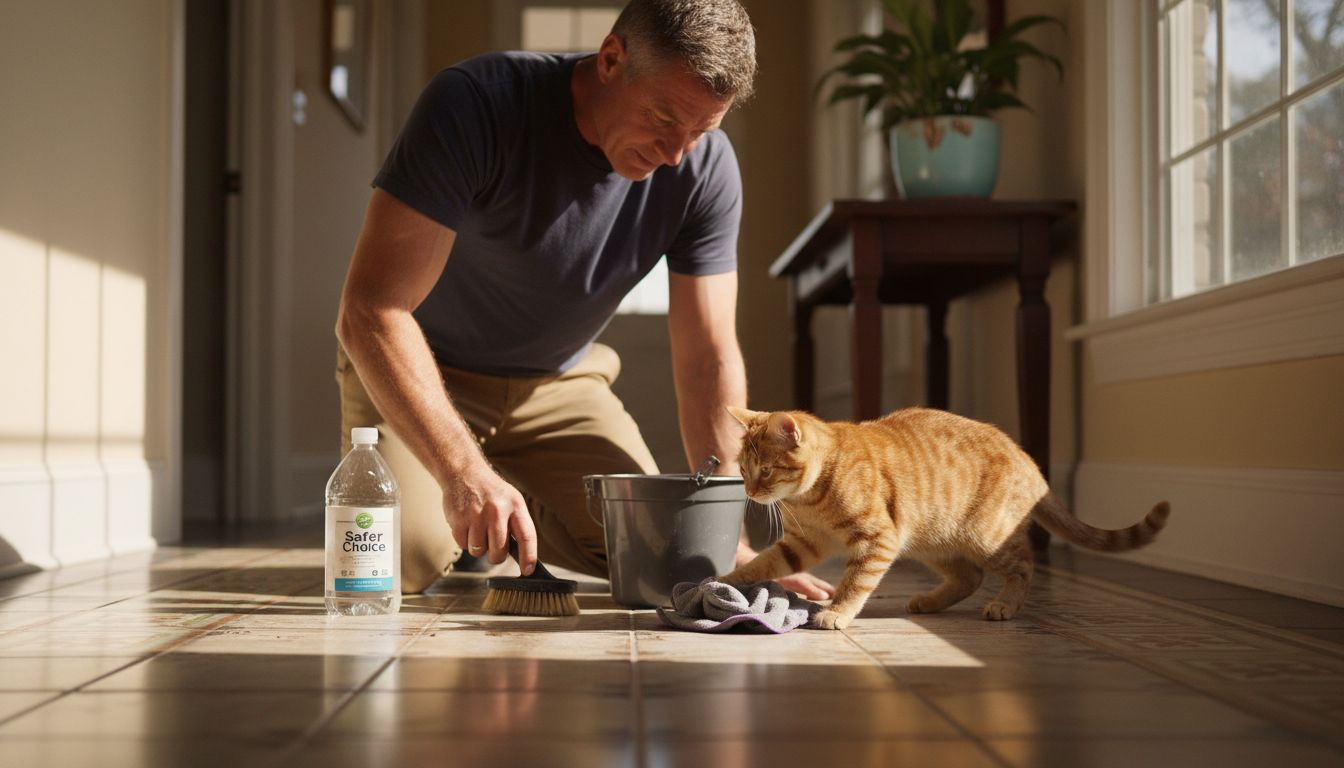
Pro tip: Always dilute natural cleaning solutions and test on a small, inconspicuous area before widespread application to ensure compatibility with different surfaces.
Key Ingredients and Features to Look For
When selecting pet-safe cleaning products, discerning pet owners must look beyond surface-level marketing claims. Safety standards for cleaning ingredients demand a comprehensive approach to evaluating product composition and potential health impacts.
Key characteristics of truly pet-safe cleaning solutions include:
- Non-toxic Formulations: Ingredients that pose minimal risk if accidentally contacted or ingested
- Low Volatile Organic Compounds (VOCs): Reduced chemical emissions
- Biodegradable Components: Environmentally responsible ingredients
- Transparent Ingredient Disclosure: Clear labeling of all chemical components
- Skin and Respiratory Friendly: Minimal irritation potential
Natural cleaning product features focus on creating solutions that protect both animal and human health. The most effective products combine cleaning power with safety through carefully selected natural ingredients.
True pet-safe cleaning goes beyond avoiding harmful chemicals – it’s about creating a holistic environment of wellness and protection.
The Environmental Protection Agency provides robust guidance for identifying safe cleaning solutions through certification programs. These programs evaluate products across multiple safety dimensions:
- Chemical toxicity levels
- Environmental impact
- Performance effectiveness
- Long-term health considerations
Certification labels like Safer Choice and Design for the Environment offer reliable indicators of product safety, helping consumers make informed decisions that protect their beloved pets.
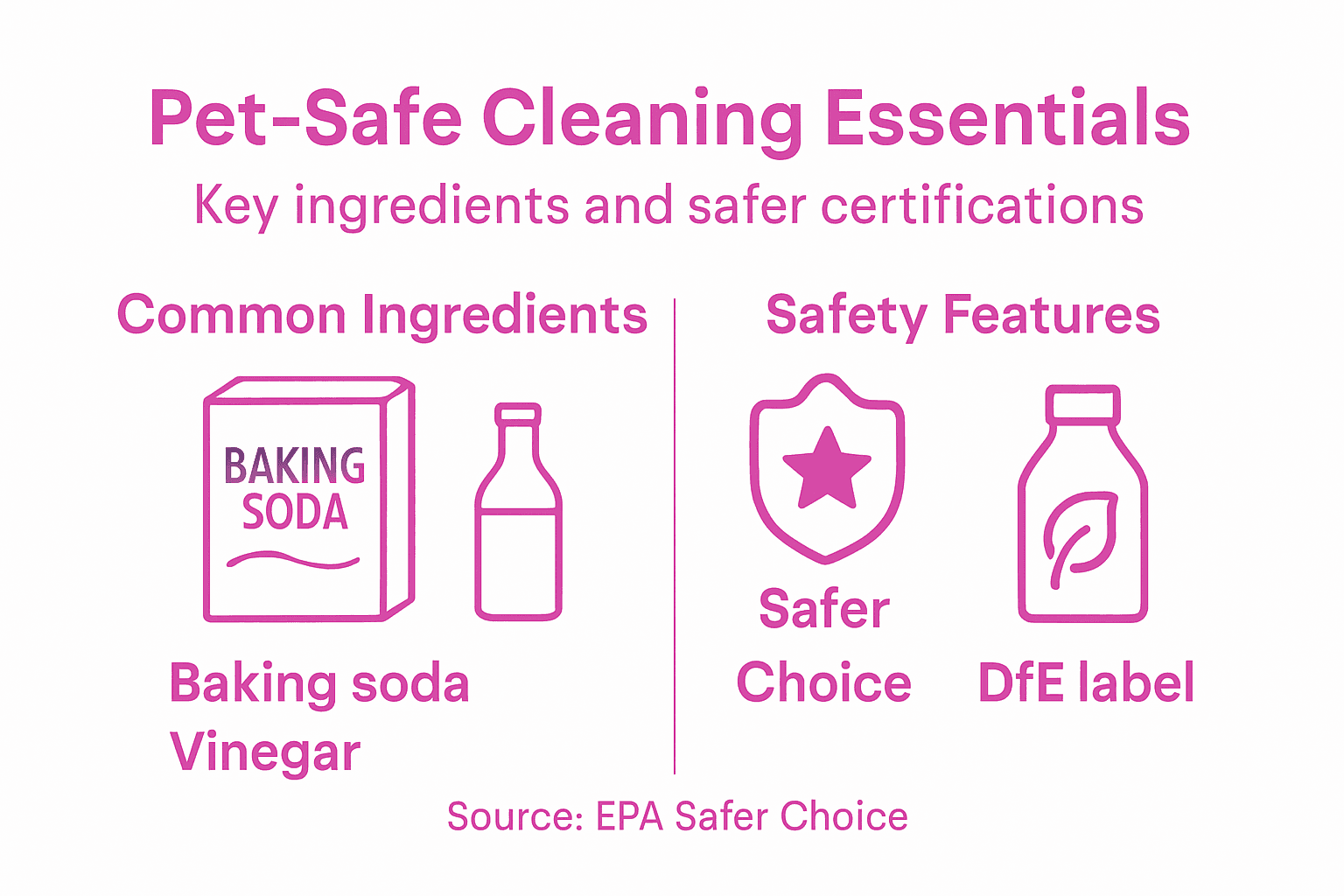
This table summarizes recommended certifications and what they signify for pet owners:
| Certification | What It Means | Pet Safety Benefit |
|---|---|---|
| EPA Safer Choice | Meets strict toxicity standards | Reduces chemical exposure |
| Design for the Environment | Evaluates sustainability | Minimizes long-term risks |
| Biodegradable Label | Breaks down naturally | Less residue for animals |
Pro tip: Always verify product certifications and perform a small patch test in a controlled area before using any new cleaning solution around pets.
Risks of Conventional Cleaners for Pets
Pet owners often underestimate the potential dangers lurking in everyday household cleaning products. Chemical hazards in cleaning supplies represent a significant threat to animal health that demands careful attention and proactive management.
Conventional cleaning products contain several dangerous chemical compounds that pose serious risks to pets:
- Ammonia: Causes respiratory irritation and lung damage
- Bleach: Potential for severe chemical burns
- Glycol Ethers: Linked to nerve and liver damage
- Phthalates: Associated with hormonal disruptions
- Phenols: Can cause serious metabolic complications
Indoor air pollution risks extend beyond immediate contact, creating long-term health challenges for pets who are constantly exposed to toxic chemical residues. Smaller animals are particularly vulnerable due to their lower body mass and closer proximity to treated surfaces.
Pets experience chemical exposures more intensely than humans, making every cleaning product choice a critical health decision.
The health risks associated with conventional cleaners are multifaceted and can impact pets through various exposure routes:
- Direct skin contact
- Inhalation of chemical vapors
- Accidental ingestion
- Prolonged environmental exposure
Understanding these risks is crucial for creating a safe, pet-friendly home environment that prioritizes animal wellness without compromising cleaning effectiveness.
Here’s a comparison of risks from conventional cleaners versus benefits of pet-safe alternatives:
| Aspect | Conventional Cleaners | Pet-Safe Alternatives |
|---|---|---|
| Health Impact | Can cause irritation and poisoning | Designed to minimize health risks |
| Environmental Effect | Harmful residues and emissions | Biodegradable and eco-friendly |
| Ingredient Disclosure | Often unclear or hidden | Transparent labeling required |
| Application Safety | Requires strict pet exclusion | Minimal precautions needed |
Pro tip: Keep pets in a well-ventilated area during cleaning and store all chemical products in secured, elevated cabinets inaccessible to curious animals.
Eco-Friendly Alternatives for Urban Pet Owners
Urban living demands innovative cleaning solutions that balance environmental consciousness with pet safety. Sustainable cleaning strategies offer urban pet owners practical approaches to maintaining clean, healthy living spaces without compromising their animals’ well-being.
Natural cleaning alternatives perfect for compact urban environments include:
- White Vinegar: Multipurpose disinfectant and deodorizer
- Baking Soda: Natural abrasive and odor neutralizer
- Castile Soap: Gentle, plant-based cleaning agent
- Hydrogen Peroxide: Effective sanitizer
- Lemon Juice: Natural grease cutter and freshener
Eco-friendly cleaning practices are particularly crucial in dense living spaces where indoor air quality directly impacts pet and human health. These natural solutions provide powerful cleaning without introducing harmful chemicals that can accumulate in small apartments.
Urban pet owners have the power to create healthier living environments through mindful cleaning choices.
Implementing eco-friendly cleaning strategies involves several key considerations:
- Choose biodegradable products
- Minimize chemical exposure
- Prioritize ventilation
- Use concentrated, multi-purpose solutions
- Select certified green cleaning products
The Environmental Protection Agency’s Safer Choice program provides valuable guidance for selecting products that meet rigorous safety and environmental standards, helping urban pet owners make informed decisions.
Pro tip: Create a dedicated storage area for eco-friendly cleaning supplies, keeping them sealed and out of pets’ reach while maintaining easy accessibility.
Safeguard Your Pets and Elevate Your Home with Thoughtful Essentials
Maintaining a spotless, pet-safe home can feel overwhelming, especially with concerns around toxic cleaners and harsh chemicals. This article highlights the importance of non-toxic formulations, natural ingredients, and creating a safe environment for your beloved pets. At Teddy Pets, we understand these challenges and craft modern, cozy pet essentials that match your style while supporting a clean, healthy space for your animal companions.
Discover how our thoughtfully designed products complement your pet-safe lifestyle and make everyday care easier. Explore comfort and safety without compromising your beautiful interiors. Take the next step toward a harmonious home by visiting Teddy Pets main page. Learn more about our unique approach in the Uncategorized category. Protect your pets and stylish spaces with solutions made for both comfort and well-being today.
Frequently Asked Questions
What are pet-safe cleaning products?
Pet-safe cleaning products are cleaning solutions made from non-toxic, biodegradable ingredients that pose minimal risk to pets and humans. They aim to minimize potential health risks while effectively cleaning and sanitizing living spaces.
What natural ingredients can I use for pet-safe cleaning?
Common pet-safe natural ingredients include hydrogen peroxide, white vinegar, baking soda, Castile soap, and lemon juice. These ingredients provide powerful cleaning capabilities without introducing harsh chemical risks to your pets.
How can I ensure that my cleaning products are safe for pets?
Look for products certified under the Environmental Protection Agency’s Safer Choice program, which ensures strict safety criteria are met. Additionally, check for transparent ingredient disclosures, low VOCs, and non-toxic formulations to ensure safety.
What are the risks associated with conventional cleaning products for pets?
Conventional cleaning products can contain harmful chemicals like ammonia, bleach, and phthalates, which can irritate respiratory systems, cause burns, or disrupt hormonal balance in pets. Prolonged exposure may lead to serious health issues, making it crucial for pet owners to choose safer alternatives.
Recommended


