


Role of Color in Pet Products—Impact on Homes and Happiness
Romane VEDEL
Finding pet products that look beautiful in your home often means juggling style with your pet’s comfort and well-being. In urban spaces throughout the UAE, color is more than just decoration—it serves as a powerful way to shape moods, personalize interiors, and create inviting environments for both you and your pet. Color psychology plays a pivotal role in selecting products that support pet behavior and owner satisfaction while fitting seamlessly into contemporary design.
Table of Contents
- Defining The Role Of Color In Pet Products
- Types Of Color Choices In Pet Essentials
- How Color Affects Pet Comfort And Behavior
- Color Psychology In Home Decor For Pets
- Safety And Functional Implications Of Color
- Emerging Color Trends In Stylish Pet Products
Key Takeaways
| Point | Details |
|---|---|
| Color as a Communication Tool | Color in pet product design serves as a means to connect emotional experiences between pets and their owners, influencing purchasing decisions. |
| Cultural and Emotional Considerations | Color choices should harmonize with cultural preferences and interior design to enhance the living environment. |
| Health and Safety Implications | Selecting colors that include functional properties, like antimicrobial agents, supports both safety and aesthetic appeal in pet products. |
| Emerging Trends | Modern pet owners prioritize wellness-inspired colors and sustainable options that reflect their lifestyle and values in product choices. |
Defining the Role of Color in Pet Products
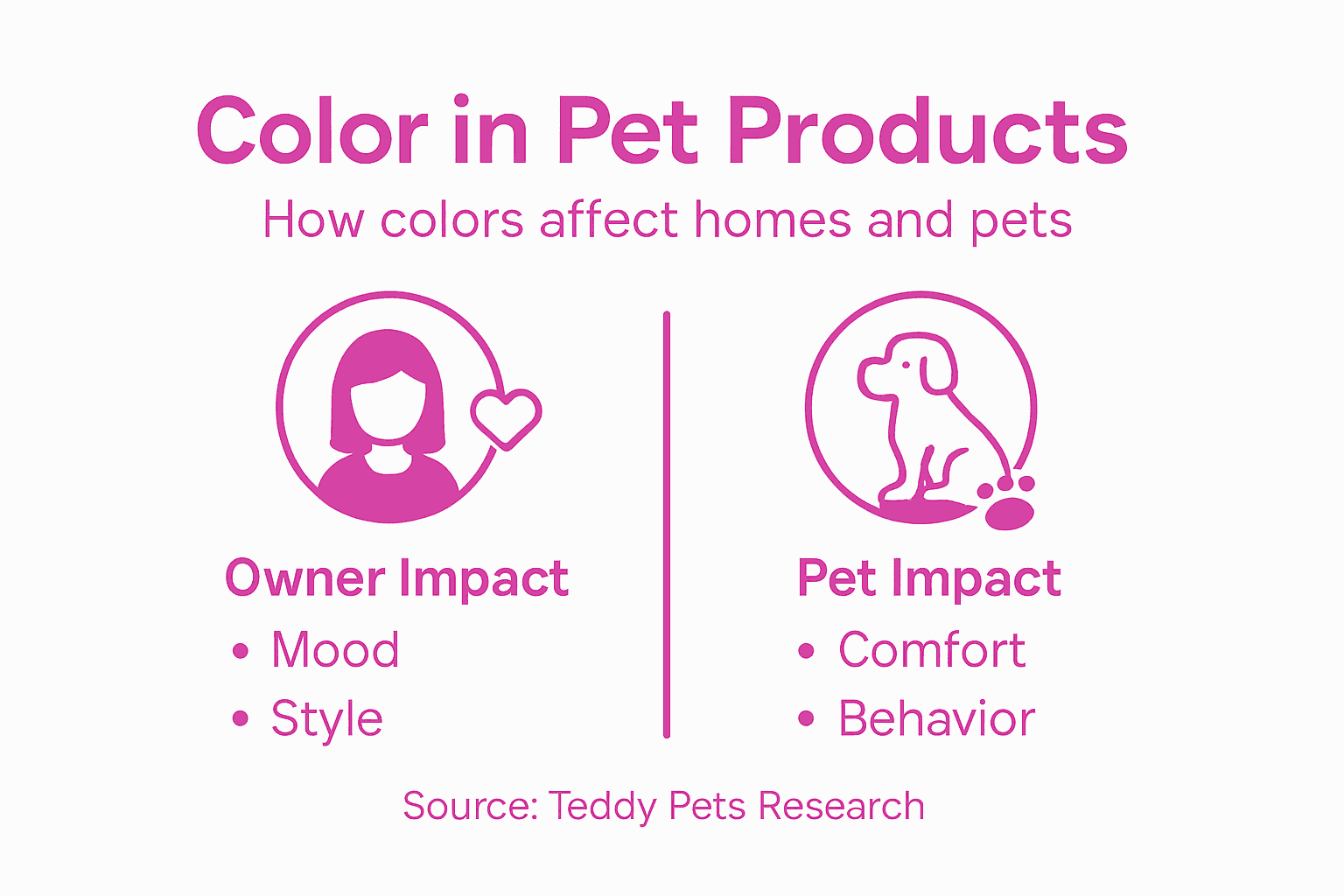
Color is far more than a visual aesthetic in pet product design—it’s a strategic communication tool that connects emotional experiences between pets, owners, and their living spaces. Color psychology plays a pivotal role in crafting products that resonate deeply with consumer preferences and pet behaviors.
Understanding color’s impact involves examining several critical dimensions that influence product perception and functionality. Pet owners increasingly seek products that not only serve practical purposes but also harmonize with their interior design sensibilities. This means colors must simultaneously communicate mood, functionality, and style.
Key considerations in pet product color selection include:
- Emotional Resonance: Different colors trigger specific psychological responses
- Brand Identity: Consistent color palettes establish recognizable product lines
- Cultural Symbolism: Colors carry varied meanings across different global contexts
- Sustainability: Modern dyeing techniques prioritize environmental considerations
Recent research into biodegradable fiber technologies reveals that color selection now encompasses not just aesthetic appeal, but also ecological responsibility. Manufacturers are developing sophisticated color strategies that balance visual attraction with sustainable manufacturing processes.
For urban pet owners in the UAE, color selection becomes an intricate balance between cultural preferences, interior design trends, and pet comfort. Warm tones like terracotta and soft neutrals might appeal to regional aesthetic sensibilities, while maintaining a sophisticated, contemporary feel.
This table compares key considerations for selecting pet product colors in urban UAE households:
| Consideration | Impact on Owner Experience | Impact on Pet Comfort |
|---|---|---|
| Cultural Preferences | Harmonizes with decor trends | Reflects regional aesthetics |
| Mood Influence | Sets desired room ambiance | Reduces stress or enhances play |
| Sustainability Focus | Supports eco-responsible living | Uses safe natural dyes |
| Brand Consistency | Improves product recognition | Ensures familiar environment |
Pro tip: When selecting pet products, consider how the color will interact with your existing home decor and your pet’s unique personality.
Types of Color Choices in Pet Essentials
Pet product color selections have evolved far beyond simple aesthetics, becoming a sophisticated strategy for communicating functionality, mood, and brand identity. Color choices reflect functional purposes across different categories of pet essentials, with each color palette carefully curated to evoke specific emotional and practical responses.
The spectrum of color choices in pet products can be strategically categorized into distinct functional groups:
- Active Gear: Energetic orange, yellow, and bright red tones
- Wellness Products: Calming blues, soft greens, and serene lavender
- Sleeping Accessories: Neutral tones like beige, gray, and muted earth colors
- Feeding Essentials: Natural browns, warm terracottas, and appetite-stimulating colors
Modern pet product manufacturers are increasingly focusing on natural color additives that not only look appealing but also communicate quality and sustainability. This approach aligns with growing consumer preferences for transparent, health-conscious pet care solutions.
In the UAE market, color selection becomes particularly nuanced, balancing cultural aesthetic preferences with contemporary design trends. Warm, sandy neutrals and rich, deep accent colors that echo regional interior design sensibilities can make pet products feel both functional and locally resonant.
Here is a summary of how color choices in pet essentials reflect different product goals:
| Product Category | Common Colors | Intended Emotional Effect |
|---|---|---|
| Active Gear | Orange, yellow, red | Energize and motivate activity |
| Wellness Products | Blue, green, lavender | Calm and soothe pets |
| Sleeping Accessories | Beige, gray, earth | Promote relaxation and sleep |
| Feeding Essentials | Browns, terracotta | Stimulate appetite and warmth |
Pro tip: Select pet product colors that complement both your home’s interior design and your pet’s unique personality traits.
How Color Affects Pet Comfort and Behavior
Understanding how colors impact pet emotional states goes beyond mere aesthetic considerations. Color psychology in animal environments reveals complex interactions between visual stimuli and behavioral responses, demonstrating that color selection can profoundly influence pet comfort and well-being.
Research indicates that different color wavelengths trigger specific physiological and psychological reactions in pets:
- Calming Colors: Blue and green tones reduce anxiety
- Energizing Colors: Red and orange stimulate activity
- Neutral Colors: Gray and beige promote relaxation
- Stress-Reducing Colors: Soft lavender and pastel hues create peaceful environments
Scientific studies on animal color perception demonstrate that pets experience colors differently than humans. Cats and dogs, for instance, have unique visual spectrums that make them more sensitive to certain color ranges, particularly blue and ultraviolet wavelengths, which can significantly impact their emotional state and behavioral patterns.
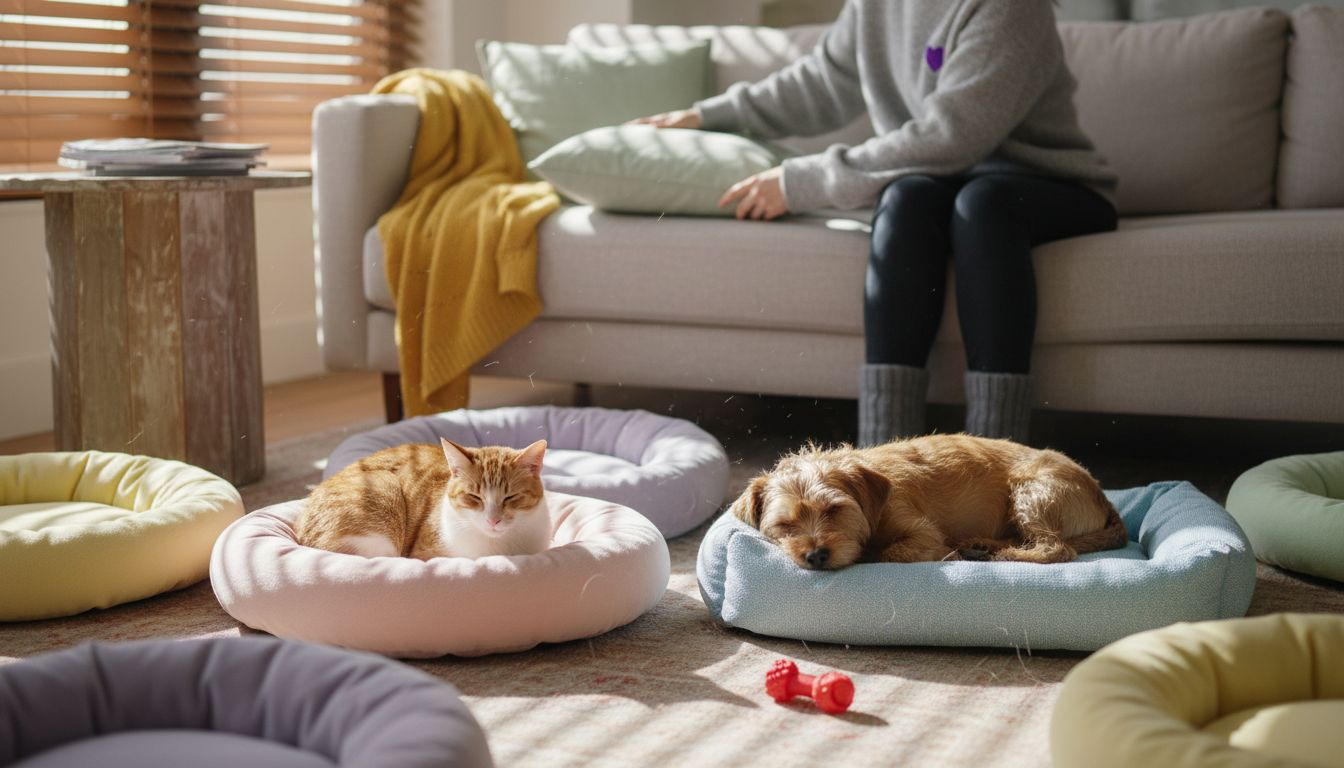
In the context of urban pet ownership, particularly in design-conscious environments like the UAE, understanding color’s psychological impact becomes crucial. By strategically selecting colors that align with your pet’s natural sensitivities and your home’s aesthetic, you can create harmonious living spaces that support both animal comfort and interior design objectives.
Pro tip: Observe your pet’s reactions to different colored environments and adjust your color choices accordingly to maximize their emotional well-being.
Color Psychology in Home Decor for Pets
Creating harmonious living spaces that cater to both pets and owners requires a nuanced understanding of color psychology in interior design. The strategic selection of colors can transform pet spaces from mere functional areas into holistic environments that promote emotional well-being and aesthetic harmony.
Biophilic design principles offer sophisticated insights into color selection for pet-friendly spaces:
- Natural Color Palettes: Soft earth tones and muted greens
- Stress-Reducing Hues: Cool blues and gentle lavenders
- Energy-Balancing Colors: Warm neutrals and subtle terracottas
- Mood-Enhancing Tones: Soft grays and calming beiges
Biophilic interior design research demonstrates that color integration goes beyond visual appeal, directly impacting psychological comfort. In urban environments like the UAE, where interior design plays a crucial role, understanding how colors interact with pet behavior becomes essential for creating supportive, stress-free living spaces.
The key is developing a holistic approach that considers both the physiological and emotional needs of pets while maintaining the aesthetic integrity of modern home design. This means selecting colors that not only look appealing but also provide a sense of security, comfort, and stimulation appropriate to your pet’s unique personality and needs.
Pro tip: Create a color mood board that includes your pet’s favorite resting and play areas to visualize how different hues will interact with their living spaces.
Safety and Functional Implications of Color
Color in pet products transcends aesthetic appeal, serving as a critical component of safety and functional design. Antimicrobial colored technologies demonstrate how advanced color engineering can directly enhance product safety and performance for pets.
Key safety considerations in color selection include:
- Hygienic Protection: Colors incorporating antimicrobial agents
- Visibility Enhancement: High-contrast colors for tracking and monitoring
- Material Durability: Color treatments that maintain structural integrity
- Psychological Safety: Colors that reduce pet stress and anxiety
Packaging color psychology reveals how visual cues communicate critical safety information. Colors can trigger specific mental associations that influence perception of product reliability, health, and overall trustworthiness. For urban pet owners in the UAE, this means selecting products where color is not just decorative, but a functional signal of quality and safety.
Advanced color technologies now integrate functional properties directly into product materials. Silver nanoparticles and specialized color treatments can provide antimicrobial protection, mechanical strength, and aesthetic appeal simultaneously, representing a sophisticated approach to pet product design that prioritizes both safety and style.
Pro tip: When selecting pet products, examine the color not just for appearance, but as a potential indicator of advanced safety features and technological innovation.
Emerging Color Trends in Stylish Pet Products
Color trends in pet products are evolving beyond traditional aesthetics, reflecting a sophisticated understanding of design, wellness, and emotional connection. Modern pet owners seek products that seamlessly integrate with their home environments while expressing individual style and pet personality.
Contemporary color palettes for pet products showcase several emerging trends:
- Wellness-Inspired Neutrals: Soft earth tones and muted pastels
- Jewel Tone Accents: Rich emerald, sapphire, and deep burgundy highlights
- Sustainable Color Stories: Natural, eco-friendly pigments
- Minimalist Monochromatics: Sophisticated gray and white collections
Online pet product market analysis reveals a significant shift towards design-conscious pet accessories. Urban pet owners, particularly in design-forward regions like the UAE, are increasingly selecting products that reflect a curated, intentional approach to pet care—where color is not just decorative, but a statement of lifestyle and values.
The intersection of technology, sustainability, and aesthetic sensibility is driving color innovation in pet products. Manufacturers are developing color treatments that not only look beautiful but also offer functional benefits like antimicrobial protection, durability, and psychological comfort for pets.
Pro tip: Choose pet product colors that create a harmonious dialogue between your pet’s needs and your home’s design aesthetic.
Enhance Your Home and Your Pet’s Happiness with Thoughtful Color Choices
Choosing the right color for pet essentials is more than just style. It is about creating safe, cozy, and emotionally supportive spaces that resonate with both your personal decor and your pet’s comfort. As the article highlights, color influences mood, pet behavior, and even safety. At Teddy Pets, we understand these challenges and design modern, cozy products that blend seamlessly into your home while promoting your pet’s well-being.
Experience comfort and style with our carefully curated selection that balances emotional resonance, brand consistency, and safety features. Discover how colors like warm neutrals and calming blues can transform your pet’s environment, enhancing relaxation and joy. Explore our Uncategorized collection to find essentials that mirror your home’s aesthetic without compromising on your pet’s happiness.
Elevate your pet’s everyday life and create harmonious spaces now. Visit Teddy Pets to shop thoughtful pet products that combine comfort, safety, and style. Start making your pet’s environment as comforting and inspiring as your own home today.
Frequently Asked Questions
How does color impact pet behavior and comfort?
Color can significantly affect pet behavior and comfort by triggering specific psychological responses. Calming colors like blue and green can reduce anxiety, while energizing colors such as red and orange can stimulate activity. Neutral tones promote relaxation, and soft pastels create a peaceful environment for pets.
What should I consider when choosing colors for pet products?
When selecting colors for pet products, consider emotional resonance, brand identity, cultural symbolism, and sustainability. It’s essential to choose colors that harmonize with your home decor and reflect your pet’s unique personality while also being environmentally responsible.
What are the key color categories in pet essentials, and their emotional effects?
Key color categories in pet essentials include:
- Active Gear: Bright colors like orange and yellow energize pets.
- Wellness Products: Calming hues such as blue and soft green help soothe pets.
- Sleeping Accessories: Neutral tones promote relaxation.
- Feeding Essentials: Warm colors can stimulate appetite.
How can color choices in pet products align with home decor?
Choose pet product colors that complement your existing home decor. Using a harmonious color palette that includes your pet’s favorite resting and play areas enhances the aesthetic of your space while ensuring it remains a comfortable environment for your pet.