


What Is Pet-Friendly Decor and Why It Matters
Finding home decor that matches sleek Dubai style without sacrificing your dog’s comfort can feel like a real challenge. For urban pet owners in the UAE, living spaces are more than settings—they’re backdrops for everyday moments where both owners and animals need harmony. Pet-friendly decor combines modern aesthetics with practical, animal-friendly features, giving you a home that balances beauty, durability, and safety without compromise.
Table of Contents
- Understanding Pet-Friendly Decor Basics
- Types of Pet-Friendly Decor Solutions
- Essential Materials and Design Features
- Balancing Style With Pet Safety and Comfort
- Common Mistakes and Smart Solutions
Key Takeaways
| Point | Details |
|---|---|
| Focus on Material Selection | Choose durable, non-toxic, and easy-to-clean materials for both furniture and decor to ensure safety and longevity. |
| Design for Comfort and Safety | Create designated pet zones and select furniture with rounded edges to enhance safety and integrate pet needs into the living space. |
| Avoid Common Pitfalls | Identify and replace hazardous elements such as toxic plants and sharp-edged furniture to safeguard your pets. |
| Incorporate Functional Features | Invest in multipurpose furniture and hidden storage solutions that accommodate both aesthetic preferences and pet comfort. |
Understanding Pet-Friendly Decor Basics
Pet-friendly decor transforms living spaces into harmonious environments where pets and humans can coexist comfortably. This design approach goes beyond simply tolerating pets - it actively creates spaces that accommodate their needs while maintaining aesthetic appeal. Fundamentally, pet-friendly decor integrates animal-specific requirements into interior design, considering factors like durability, safety, and functionality.
The core principles of pet-friendly decor involve several key considerations:
- Selecting furniture and materials that withstand pet interactions
- Choosing surfaces that are easy to clean and maintain
- Designing spaces that provide comfort for both pets and owners
- Incorporating safety features that prevent potential accidents
Modern pet-friendly design recognizes that our animal companions are integral family members who deserve thoughtful spatial integration. Workplace environment research demonstrates that creating spaces tailored to pets’ needs positively impacts owners’ mental and emotional well-being.
One critical aspect of pet-friendly decor involves understanding potential hazards. For instance, certain houseplants can pose significant risks to animal companions. Selecting non-toxic greenery and understanding which botanical elements are safe becomes paramount in creating a pet-friendly environment.
When designing pet-friendly spaces, consider these strategic elements:
- Choose scratch-resistant flooring materials
- Select furniture with removable, washable covers
- Create designated pet zones within living areas
- Use pet-safe cleaning products
- Install protective barriers where necessary
Pro-Tip: Invest in multipurpose furniture that serves both human aesthetic preferences and pet comfort, creating seamless integration between design and functionality.
Types of Pet-Friendly Decor Solutions
Pet-friendly decor encompasses a wide range of design solutions that prioritize both animal comfort and human aesthetic preferences. These solutions go beyond simple accommodation, creating integrated spaces that enhance the living experience for both pets and their owners. Pet-friendly design represents a holistic approach to interior and exterior spaces that considers the unique needs of animal companions.
Indoor decor solutions typically include:
- Scratch-resistant furniture fabrics
- Stain-repellent upholstery materials
- Easy-to-clean surface treatments
- Furniture with rounded edges to prevent pet injuries
- Durable flooring options like luxury vinyl or tile
Outdoor landscaping alternatives provide innovative approaches to creating pet-friendly exterior spaces. Designers now recommend materials like mulch, gravel, and synthetic turf that are gentle on pets’ paws while maintaining visual appeal. These options address traditional lawn challenges by offering surfaces that support pets’ natural behaviors.
Interior designers are increasingly incorporating safe houseplant selections that enhance home environments without risking animal health. Non-toxic plant varieties can improve air quality and aesthetic appeal while ensuring pet safety. Careful selection becomes crucial in creating spaces that are both beautiful and secure for four-legged family members.
Here’s how common indoor and outdoor pet-friendly decor solutions differ:
| Aspect | Indoor Decor Solution | Outdoor Decor Solution |
|---|---|---|
| Primary Materials | Upholstery, flooring, plants | Gravel, mulch, synthetic turf |
| Safety Focus | Injury prevention, non-toxic | Paw comfort, allergen control |
| Maintenance Need | Frequent cleaning | Periodic surface replacement |
| Enhancement Feature | Air quality, comfort zones | Drainage, behavior support |
Advanced pet-friendly decor solutions now include:
- Smart furniture with hidden pet beds
- Integrated pet feeding stations
- Dedicated pet washing areas
- Modular design elements that adapt to pets’ needs
- Camouflaged litter box and pet supply storage
Pro-Tip: Create designated pet zones that blend seamlessly with your home’s overall design, ensuring both functionality and aesthetic harmony.
Essential Materials and Design Features
Creating a pet-friendly environment requires carefully selected materials and design features that balance durability, safety, and aesthetic appeal. The right choices can transform living spaces into harmonious areas where pets and humans coexist comfortably. Understanding the fundamental principles of material selection becomes crucial in developing spaces that withstand pets’ daily activities while maintaining visual elegance.
Key materials for pet-friendly design include:
- Moisture-resistant fabrics
- Stain-repellent upholstery
- Scratch-resistant flooring
- Hypoallergenic textiles
- Non-toxic surface treatments
Healthy material selection emphasizes the importance of choosing non-toxic, durable components that ensure safety for both pets and humans. Designers now prioritize materials free from harmful chemicals, focusing on surfaces that can withstand pet interactions while maintaining indoor environmental quality.
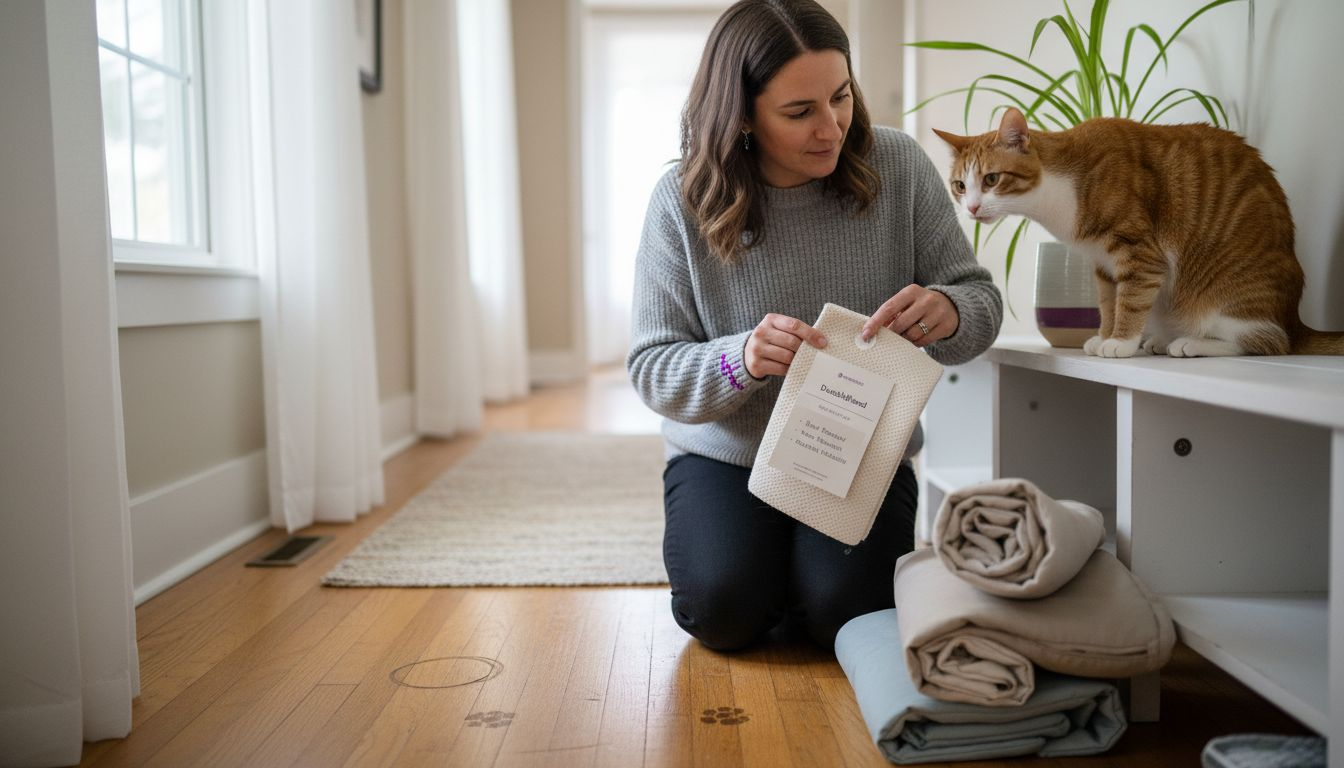
Safe plant selections play a significant role in creating comprehensive pet-friendly spaces. Strategic incorporation of non-toxic greenery like spider plants, cast iron plants, and Christmas cacti allows homeowners to enhance interior aesthetics without compromising animal safety. These botanical choices demonstrate how design can simultaneously address visual appeal and pet welfare.
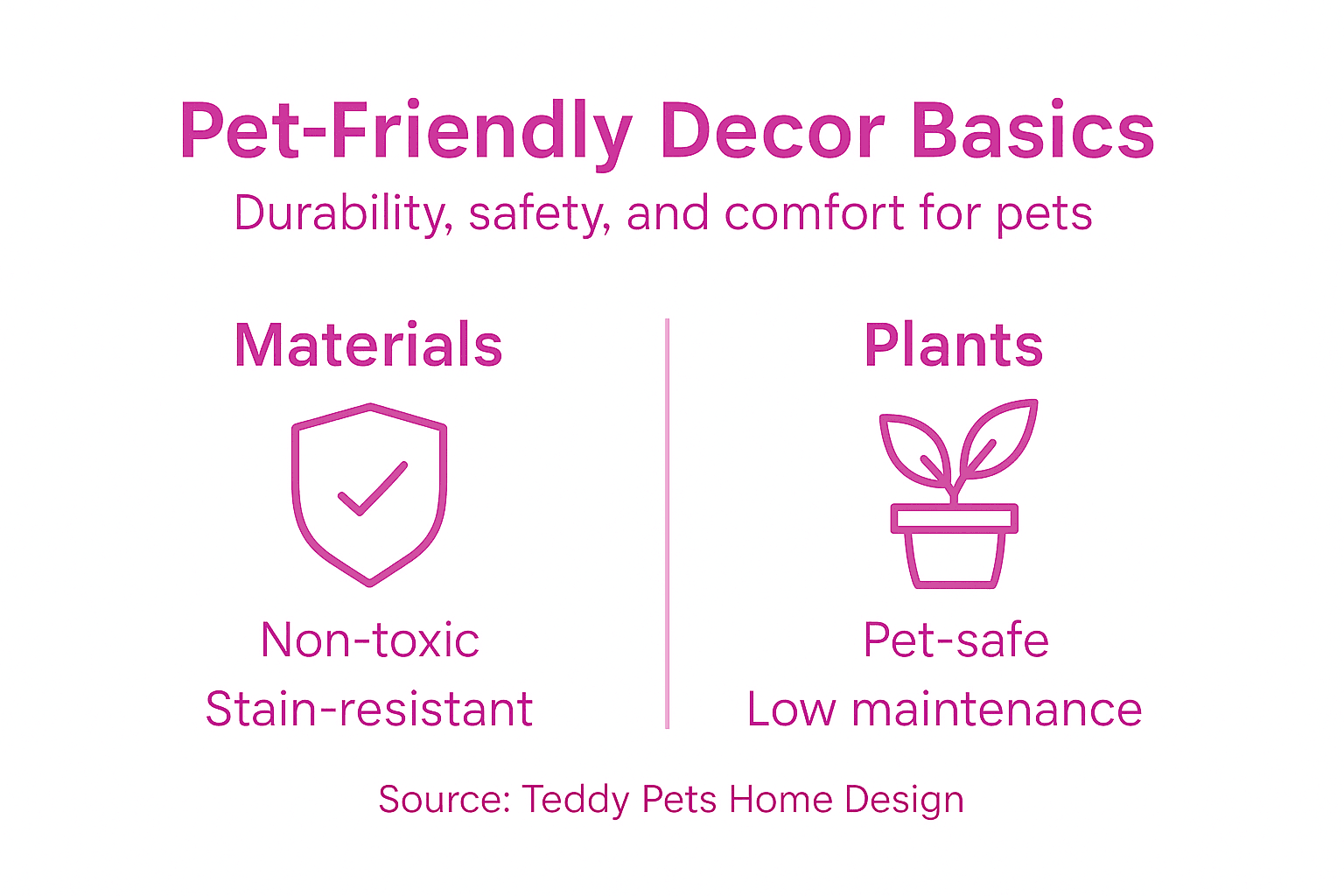
This table summarizes materials crucial for pet-friendly design and their unique benefits:
| Material Type | Benefit for Pets | Impact on Homeowners |
|---|---|---|
| Hypoallergenic fabric | Reduces allergies | Easier cleaning |
| Scratch-resistant flooring | Limits damage from claws | Enhances durability |
| Non-toxic treatments | Prevents accidental harm | Improves air quality |
| Stain-repellent cover | Minimizes stains | Preserves appearance |
Advanced design features for pet-friendly spaces include:
- Seamless floor transitions
- Washable surface coverings
- Built-in pet cleaning stations
- Integrated pet storage solutions
- Shock-absorbing floor materials
Pro-Tip: Conduct a comprehensive material audit of your living spaces, systematically replacing potentially harmful surfaces with pet-safe alternatives.
Balancing Style With Pet Safety and Comfort
Creating a harmonious living space that seamlessly integrates pet safety and human aesthetic preferences requires thoughtful, intentional design. Modern pet owners seek solutions that do not compromise style while ensuring their animal companions remain protected and comfortable. This delicate balance demands innovative approaches that consider both visual appeal and functional requirements.
Key considerations for balancing style and safety include:
- Selecting furniture with rounded edges
- Choosing durable, stain-resistant fabrics
- Incorporating pet-friendly color schemes
- Designing multi-purpose spaces
- Creating designated pet zones
Pet safety research emphasizes the critical importance of integrating secure, tested products into home design. This means selecting furniture, materials, and accessories that minimize injury risks while maintaining aesthetic integrity. Ergonomic designs that respect both pets’ spatial needs and owners’ style preferences become paramount in creating truly successful living environments.
Human-Animal Bond Research highlights how thoughtful design can support the emotional connection between pets and their owners. By creating spaces that accommodate natural pet behaviors while preserving visual elegance, homeowners can develop environments that enhance both human and animal well-being. This approach transforms decor from mere decoration to a holistic living experience.
Strategic design techniques for balanced pet-friendly spaces include:
- Integrating hidden pet beds into furniture
- Using scratch-resistant surface materials
- Selecting neutral color palettes
- Implementing easy-to-clean design elements
- Creating flexible living spaces
Pro-Tip: Develop a design strategy that treats pet spaces as integral components of your home’s overall aesthetic, not as afterthoughts.
Common Mistakes and Smart Solutions
Navigating pet-friendly decor requires understanding common pitfalls that can compromise both style and animal safety. Many well-intentioned pet owners inadvertently create environments that look attractive but pose potential risks to their furry companions. Recognizing these mistakes becomes the first step toward developing truly intelligent, compassionate design solutions.
Common mistakes in pet-friendly spaces include:
- Selecting toxic houseplants
- Using sharp-edged furniture
- Choosing non-washable fabrics
- Ignoring pet behavioral patterns
- Overlooking potential hazardous materials
Sustainable pet solutions emphasize the importance of selecting products that balance environmental responsibility with animal safety. This approach involves carefully evaluating materials, understanding potential risks, and making informed choices that protect both pets and living spaces.
Plant safety research reveals that many common houseplants can be dangerous for pets. Homeowners must proactively verify plant toxicity, consulting expert resources to ensure their green decor choices do not inadvertently harm their animal companions. Smart solutions involve replacing potentially toxic varieties with verified pet-safe alternatives.
Strategic approaches to avoiding common design mistakes include:
- Consulting veterinary design experts
- Researching material safety standards
- Performing regular home safety audits
- Investing in pet-specific design resources
- Prioritizing adaptable, washable materials
Pro-Tip: Create a comprehensive pet safety checklist that you review and update seasonally to stay ahead of potential home design risks.
Elevate Your Home with Thoughtful Pet-Friendly Design
Understanding the challenges of creating a stylish yet safe space for your pets is the first step toward a harmonious home. Whether you are concerned about selecting durable materials or integrating furniture that accommodates your pet’s comfort without compromising your decor, the solutions are within reach. This article highlights key concepts like scratch-resistant surfaces, pet-safe plants, and multifunctional design elements that protect your pets and enhance your living environment.
At Teddy Pets, we specialize in modern, cozy essentials designed to blend seamlessly into beautiful interiors while prioritizing your pet’s safety and comfort. Our carefully crafted products address the exact pain points discussed, offering innovative options such as hidden pet beds and washable covers made to withstand everyday pet life. Discover how easy it is to create designated pet zones that complement your style by exploring our Uncategorized selection.
Transform your home today into a sanctuary where both you and your pets thrive. Visit Teddy Pets now to find smart and stylish solutions that do not sacrifice safety or aesthetic appeal. Take the first step toward balancing comfort, durability, and design with products that truly make your pet feel at home.
Frequently Asked Questions
What is pet-friendly decor?
Pet-friendly decor refers to interior and exterior design solutions specifically created to accommodate the needs of pets while maintaining aesthetic appeal. It integrates safety, durability, and functionality to ensure a harmonious living space for both pets and their owners.
Why is pet-friendly decor important?
Pet-friendly decor is important because it enhances the comfort and safety of pets while improving the overall living environment for humans. Thoughtfully designed spaces can positively impact the mental and emotional well-being of pet owners and reduce the risks of accidents for pets.
What materials are best for pet-friendly decor?
The best materials for pet-friendly decor include moisture-resistant fabrics, stain-repellent upholstery, scratch-resistant flooring, and hypoallergenic textiles. These materials can withstand daily wear and tear from pets while ensuring their safety and comfort.
How can I create designated pet areas in my home?
To create designated pet areas, consider incorporating pet-friendly furniture, using washable and durable materials, and setting up comfortable spots with pet beds or blankets. It’s also beneficial to use barriers or dividers to define these spaces without disrupting your home’s overall design.
Recommended


