


Why pet beds matter: comfort, health, and style
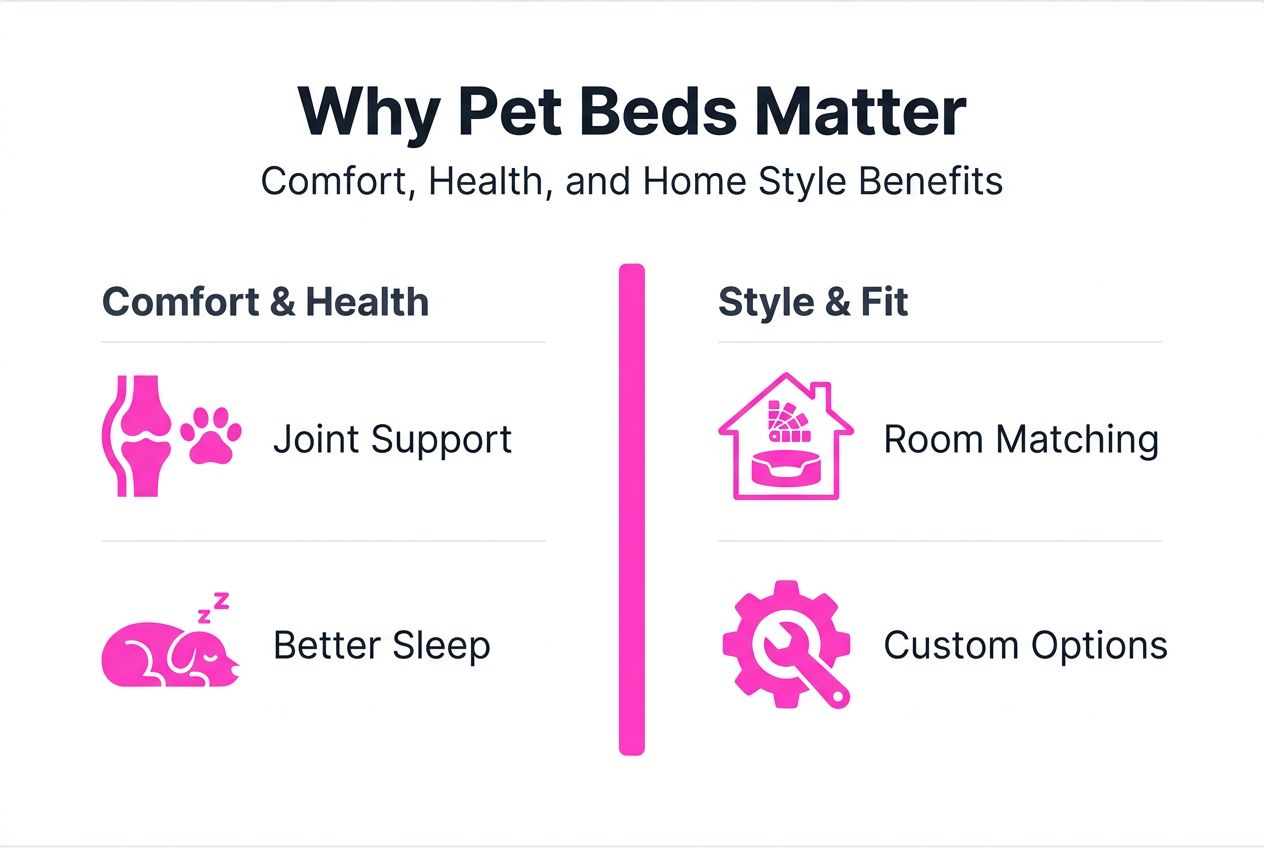
Most pet owners consider beds optional extras, like designer collars or bow ties. That’s a costly misconception. Research reveals that proper pet beds significantly improve sleep quality, support joint health, and reduce long-term veterinary expenses while elevating your home’s aesthetic appeal. This guide explores why choosing the right pet bed in 2026 is one of the smartest investments for your dog’s well-being and your living space.
Table of Contents
- How Pet Beds Improve Your Dog’s Health And Comfort
- Understanding Orthopedic And Memory Foam Pet Beds
- How To Choose The Right Pet Bed For Your Dog And Home
- Stylish Pet Beds: Enhancing Your Home’s Aesthetics While Keeping Pets Comfortable
- Explore Comfortable And Stylish Pet Beds At Teddy Pet
- Frequently Asked Questions About Pet Beds
Key takeaways
| Point | Details |
|---|---|
| Health impact | Quality pet beds promote deeper sleep cycles and reduce pressure on aging joints, improving overall well-being. |
| Orthopedic benefits | Memory foam and orthopedic designs support spinal alignment and ease arthritis pain in senior dogs. |
| Style integration | Modern pet beds seamlessly blend comfort with home decor through thoughtful design and material choices. |
| Selection criteria | Choose based on your dog’s size, sleeping position, health needs, and your home’s aesthetic preferences. |
| Long-term value | Proper beds prevent health complications and reduce veterinary costs over your pet’s lifetime. |
How pet beds improve your dog’s health and comfort
Your dog spends 12 to 14 hours sleeping daily. Without proper support, those hours on hard floors or worn furniture create pressure points that disrupt sleep cycles and strain joints. Pet beds contribute to improved sleep quality by providing cushioning that allows muscles to relax completely, leading to restorative rest that strengthens immune function and mental sharpness.
Supportive sleeping surfaces directly impact physical health. Dogs sleeping on quality beds show reduced inflammation markers and better mobility compared to those on inadequate surfaces. The science is clear: proper beds are fundamental to maintaining your dog’s quality of life throughout all life stages.
Orthopedic options deliver targeted benefits for aging or injured pets. These beds distribute weight evenly across the body, preventing painful pressure concentration on hips, elbows, and shoulders. Senior dogs especially benefit from firmer support that maintains spinal alignment during rest, reducing morning stiffness and improving daytime energy levels.
Pro Tip: Monitor how your dog rises after sleeping. Difficulty standing or visible stiffness signals inadequate support. Upgrading to an orthopedic bed designed for arthritis relief can dramatically improve mobility within weeks.
Beyond joint support, quality beds offer psychological benefits. Dogs instinctively seek secure resting spots. A designated bed provides territorial comfort that reduces anxiety and promotes emotional stability. This sense of ownership over their sleeping space translates to calmer behavior and stronger bonding with family members.
Key health advantages include:
- Enhanced circulation through proper weight distribution
- Reduced joint inflammation and arthritis progression
- Improved coat condition from cleaner sleeping surfaces
- Better temperature regulation compared to cold floors
- Decreased respiratory issues from elevated sleeping positions
Understanding orthopedic and memory foam pet beds
Pet bed terminology confuses many buyers. Memory foam and orthopedic beds serve different purposes despite both targeting comfort. Understanding these distinctions helps match your dog’s specific needs with the right support system.
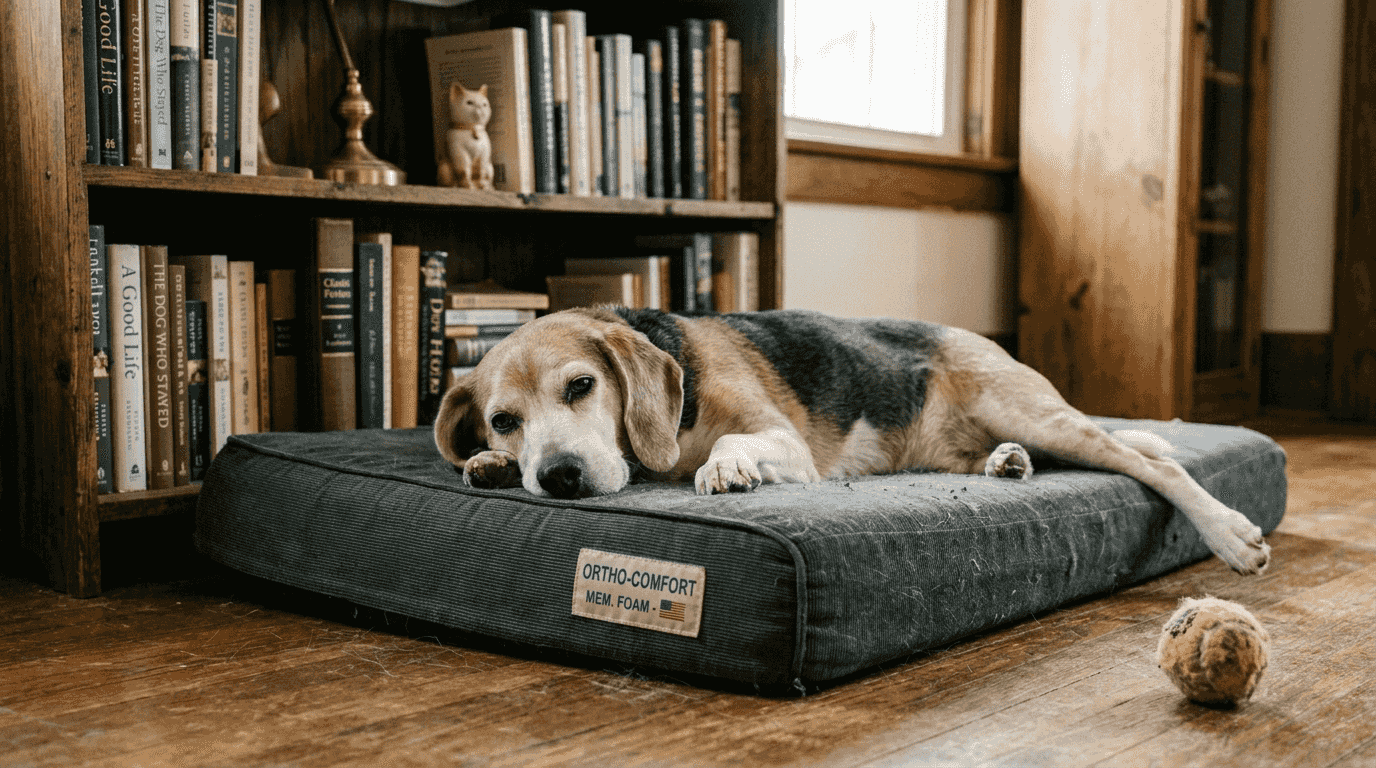
Memory foam molds to body contours, creating custom support that shifts with movement. This adaptive quality makes it exceptional for dogs with arthritis or hip dysplasia. The foam responds to body heat, softening around pressure points while maintaining overall structure. Dogs sink slightly into memory foam, experiencing a cradling effect that relieves joint stress during long rest periods.
Orthopedic beds prioritize spinal alignment through firmer, more consistent support. These beds resist excessive sinking, keeping the spine in neutral position throughout sleep. The term “orthopedic” describes function rather than specific materials. Quality orthopedic beds use high-density foams, sometimes layered with memory foam toppers for combined benefits.
Egg crate foam presents a budget-friendly alternative. The textured surface increases airflow and provides moderate cushioning. While less durable than memory foam, egg crate designs work well for younger, healthy dogs or as supplemental beds in multiple rooms. The peaks and valleys distribute weight reasonably while promoting cooling.
| Feature | Memory Foam | Orthopedic | Egg Crate |
|---|---|---|---|
| Support level | Adaptive, molds to body | Firm, maintains alignment | Moderate, breathable |
| Best for | Arthritic, senior dogs | All ages, injury recovery | Young, healthy dogs |
| Durability | 5 to 7 years | 4 to 6 years | 2 to 3 years |
| Price range | Higher investment | Mid to high | Budget friendly |
| Temperature | Retains warmth | Variable by design | Cooler, ventilated |
Pro Tip: Test foam quality by pressing firmly into the bed. High-quality materials should slowly return to original shape over 3 to 5 seconds. Rapid bounce-back indicates lower density foam that won’t provide lasting support.
Not all orthopedic beds deliver equal performance. Look for certifications indicating CertiPUR-US approved foams, which meet safety and environmental standards. Avoid beds with chemical odors or overly soft surfaces that compromise spinal positioning. The right choice depends on your dog’s weight, age, and existing health conditions.
How to choose the right pet bed for your dog and home
Selecting the ideal bed requires balancing practical pet needs with aesthetic preferences. Start by observing your dog’s sleeping habits. Curlers need bolstered edges or donut styles that support curved positions. Sprawlers require flat, spacious surfaces that accommodate full extension without restriction.
Size matters more than many realize. Measure your dog from nose to tail base, then add 6 to 12 inches. This buffer allows comfortable stretching and position changes throughout sleep. Large breeds need beds rated for their weight to prevent foam compression that eliminates support benefits.
Match firmness to life stage and health status:
- Puppies and young dogs thrive on medium-firm beds that cushion without excessive sinking
- Adult dogs in prime health benefit from versatile orthopedic options balancing support with comfort
- Senior or arthritic dogs require specialized foam configurations targeting joint relief
- Post-surgery recovery demands firmer surfaces that ease standing without excessive effort
Material choices impact both function and appearance. Stylish options that complement decor have surged in popularity, with pet furniture sales growing 8% annually. You don’t sacrifice aesthetics for comfort anymore. Modern beds feature designer fabrics, neutral palettes, and architectural forms that enhance rather than detract from interior design.
Practical features to prioritize:
- Removable, machine-washable covers for easy maintenance
- Waterproof liners protecting foam from accidents or drool
- Non-slip bases preventing bed migration on hardwood or tile
- Chew-resistant construction for destructive dogs
- Hypoallergenic materials for sensitive pets
Pro Tip: Consider climate when selecting materials. Cooling gel-infused foams benefit warm environments, while plush fabrics suit cooler climates. Some beds offer reversible covers with seasonal options.
Color and pattern selection extends beyond personal taste. Light colors show dirt faster but create airy, spacious feelings in rooms. Darker tones hide stains better while adding sophistication. Neutral palettes offer versatility as decor evolves. Customizable options let you match specific furniture pieces or color schemes precisely.
Evaluate placement carefully. Beds near windows provide natural light and views but may expose pets to drafts. Corner positions offer security and maximize floor space. Central locations promote family integration but require beds that withstand higher visibility standards. Designer beds excel in prominent placements where aesthetics matter most.
Stylish pet beds: enhancing your home’s aesthetics while keeping pets comfortable
The pet furniture revolution has transformed beds from eyesores into statement pieces. Stylish designs now integrate seamlessly with contemporary, traditional, and eclectic interiors. This shift reflects growing recognition that pet products belong in design conversations, not hidden away as functional necessities.
Material innovation drives aesthetic appeal. Luxury options incorporate genuine leather, performance velvet, and textured linens that rival human furniture quality. These fabrics withstand pet wear while maintaining visual sophistication. Manufacturers increasingly offer fabric grades similar to upholstery specifications, ensuring durability matches appearance.
Design variety accommodates every style preference. Mid-century modern beds feature tapered wooden legs and clean lines. Bohemian options showcase tassels, patterns, and natural fibers. Minimalist designs emphasize geometric forms and monochromatic schemes. Rustic styles incorporate weathered wood and organic textures. This diversity means every home can house pet beds that feel intentional rather than compromised.
Functional style elements enhance daily life:
- Hidden storage compartments for toys and supplies
- Elevated platforms doubling as side tables
- Modular designs adapting to space constraints
- Dual-sided cushions offering texture variety
- Integrated feeding stations within bed frames
Color psychology influences both pet and owner satisfaction. Soft blues and greens create calming environments promoting rest. Warm neutrals like taupe and cream blend universally while hiding light shedding. Bold choices in jewel tones make deliberate design statements when pet beds occupy focal points.
Customization trends continue accelerating. Monogramming, size adjustments, and fabric selection let owners create truly unique pieces. Luxury bedding collections mirror human bedding in quality and attention to detail. These premium options justify higher costs through extended durability and elevated aesthetics.
Pro Tip: Photograph your room and bring images when bed shopping. Seeing beds in context helps visualize how they’ll actually look in your space, preventing costly mismatches.
Maintenance features preserve appearance over time. Removable covers should unzip completely for thorough washing. Stain-resistant treatments extend time between cleanings. Quality stitching prevents seam failures that ruin otherwise beautiful beds. Cozy accessories like matching blankets and pillows complete cohesive looks.
Explore comfortable and stylish pet beds at Teddy Pet
Your dog deserves rest that restores health and happiness. Teddy Pet’s thoughtfully designed collection combines orthopedic support with contemporary aesthetics that enhance your home. Each bed reflects our commitment to making pet essentials beautiful enough for your most visible spaces.
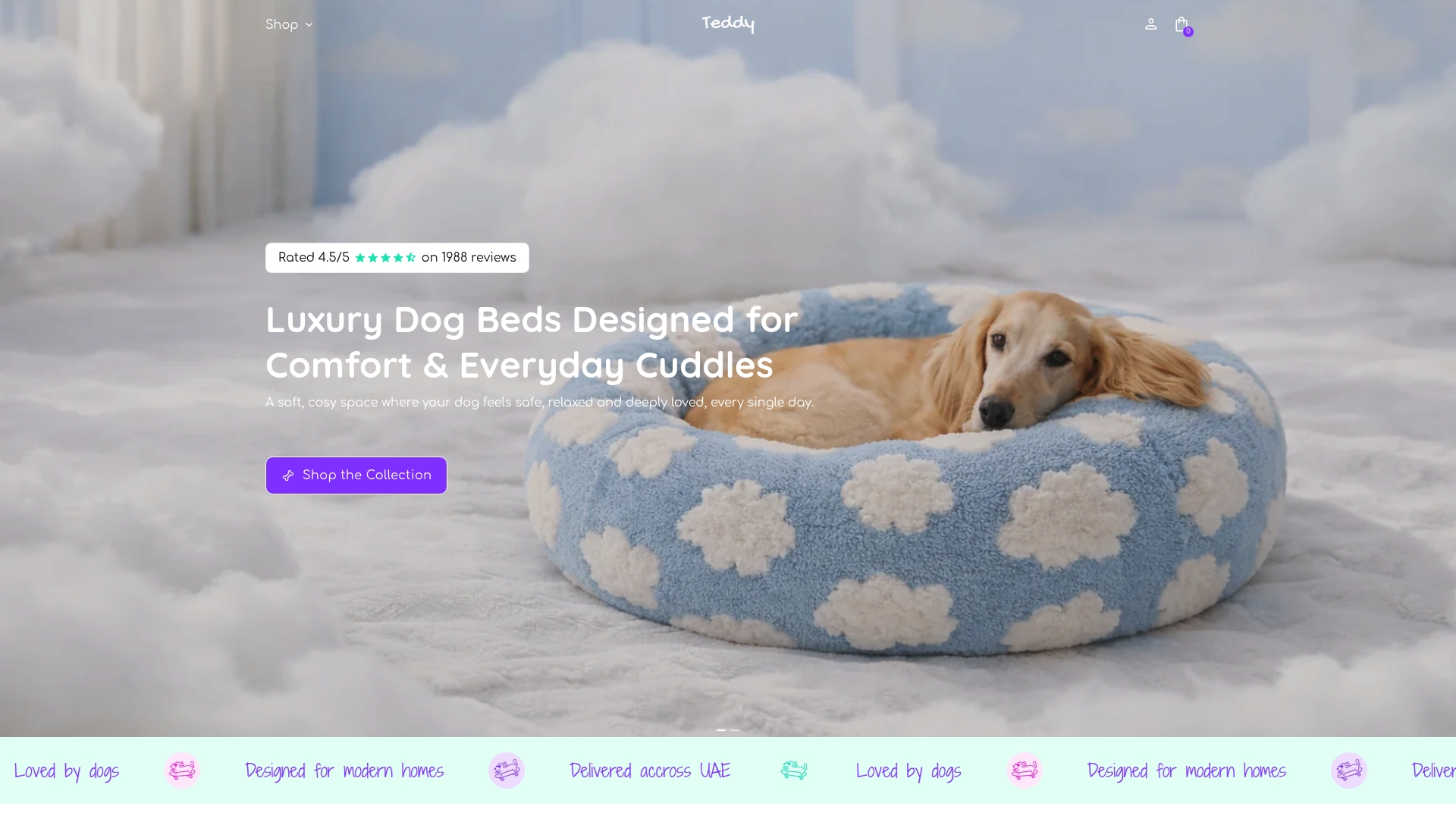
Our Rest & Retreat collection features memory foam options targeting joint health without compromising style. The Teddy Cloud Donut Bed offers bolstered security for curlers while maintaining sophisticated neutral tones. For adaptable comfort, explore the classic Donut Bed that serves dogs of all sizes with removable, washable covers.
Every product balances practical pet needs with design integrity. You won’t hide these beds when guests arrive. Instead, they contribute to rooms you’re proud to share. Discover how proper pet furniture elevates both your dog’s daily comfort and your home’s overall ambiance.
Frequently asked questions about pet beds
Why do dogs need their own beds instead of sharing furniture?
Dedicated beds provide consistent support tailored to canine anatomy, which differs from human furniture design. They also establish boundaries and personal territory that reduces anxiety while protecting your furniture from wear and pet-related damage.
How do orthopedic beds help senior dogs specifically?
Orthopedic beds maintain spinal alignment and distribute weight evenly, reducing pressure on arthritic joints. This targeted support decreases inflammation and morning stiffness, helping older dogs maintain mobility and quality of life longer.
What’s the difference between memory foam and regular foam in pet beds?
Memory foam responds to body heat and pressure, molding precisely to your dog’s shape for customized support. Regular foam provides uniform cushioning without adaptive contouring, offering less targeted pressure relief for joints and sensitive areas.
Can stylish pet beds really match high-end home decor?
Modern pet beds use premium materials like performance velvet, genuine leather, and designer fabrics that rival human furniture quality. Many designs intentionally complement contemporary interiors, functioning as decorative elements rather than eyesores to hide.
How often should I replace my dog’s bed?
Replace beds every 2 to 5 years depending on quality and usage. Signs include visible foam compression, loss of shape, persistent odors despite cleaning, or torn covers. Higher-quality beds with removable, washable components last longer with proper maintenance.
Do waterproof liners affect bed comfort for dogs?
Quality waterproof liners use breathable materials that protect foam without creating uncomfortable crinkling or heat retention. Dogs typically don’t notice well-designed liners, which prevent moisture damage that would otherwise ruin foam support and create odor issues.
Recommended


