


Create a Cosy Pet Nook: 70% More Usage in 2026
Modern UAE homes often struggle to accommodate pets without sacrificing sleek aesthetics. You want your furry friend to have a dedicated retreat, yet maintaining style harmony feels impossible. The good news is that ergonomic pet furniture can boost nook usage by up to 70%, transforming both your pet’s comfort and your interior design. This guide walks you through tools, location selection, materials, furniture, lighting, safety, common pitfalls, and realistic timelines to create a cosy pet nook that blends seamlessly into your home.
Table of Contents
- Prerequisites: What You Need Before Starting
- Step 1: Choosing the Right Space
- Step 2: Materials and Comfort
- Step 3: Furniture Selection
- Step 4: Lighting and Ambiance
- Step 5: Safety Considerations
- Common Mistakes and Troubleshooting
- Expected Results and Timelines
- Explore Stylish Solutions for Your Pet’s Comfort
- Frequently Asked Questions
Key Takeaways
| Point | Details |
|---|---|
| Space Selection | Choosing a quiet, shaded corner improves comfort and style integration. |
| Material Choices | Washable fabrics improve maintenance by 80% compared to non-removable covers. |
| Ergonomic Furniture | Properly sized furniture boosts usage by 70% when matched to pet dimensions. |
| Lighting Strategy | Multiple dimmable warm lights create calming ambiance without stressing pets. |
| Safety First | Avoid direct sunlight and secure furniture to prevent heat stress and injuries. |
| Budget & Time | Setup requires 2-4 hours and AED 500-1500 depending on material quality. |
Prerequisites: What You Need Before Starting
Gather your materials before diving into construction. You need washable, pet-safe fabrics such as cotton and fleece that allow easy cleaning. Washable fabrics with removable covers improve maintenance by 80%, making them essential for busy pet owners. Natural materials breathe better than synthetics, reducing skin irritation risk significantly.
Measure your intended space precisely with measuring tape. Record width, depth, and height to ensure furniture fits without crowding. Consider these essentials:
- Measuring tape for accurate dimensions
- Scissors for fabric trimming
- Basic sewing kit or upholstery supplies
- Pet-safe cleaning products
- Washable cotton or fleece fabrics
- Memory foam cushions or padding
Evaluate home traffic patterns before finalizing your location. High-traffic areas cause stress, while isolated spots may feel too disconnected. Check natural lighting throughout the day to identify shaded zones that avoid harsh midday sun. Temperature matters too, especially in UAE climates where indoor cooling helps maintain comfort.
Pro Tip: Create a simple checklist with measurements, fabric swatches, and lighting notes to stay organized during setup.
Understanding pet comfort optimization principles helps you make informed choices from the start. Proper preparation saves time and prevents costly mistakes later.
| Tool/Material | Purpose | Estimated Cost (AED) |
|---|---|---|
| Measuring tape | Space planning | 15-30 |
| Cotton/fleece fabrics | Comfort & hygiene | 100-300 |
| Memory foam cushion | Ergonomic support | 150-400 |
| Sewing supplies | Fabric assembly | 50-100 |
| Pet-safe cleaner | Maintenance | 30-60 |
Step 1: Choosing the Right Space
Location determines whether your pet embraces or ignores their new nook. Choosing a quiet, low-traffic corner with good natural lighting enhances pet comfort significantly more than busy hallways or near kitchen appliances. Pets instinctively seek safe retreat spaces away from household chaos.
Select a spot with minimal noise and foot traffic. Corners near living room seating work well, offering proximity without disturbance. Avoid areas next to washing machines, televisions, or front doors where sudden sounds startle pets repeatedly.
Direct midday sunlight creates heat stress, especially when indoor temperatures exceed 35°C. Choose locations with good ambient light but shaded from harsh afternoon rays. East-facing corners receive gentle morning sun without intense afternoon heat. North-facing spots stay naturally cooler throughout the day.
Consider these location factors:
- Distance from high-traffic walkways
- Proximity to family gathering spaces
- Natural ventilation and airflow
- Easy access for pet and maintenance
- Visual connection to favorite family members
Your maintenance routine matters too. Place the nook where you can easily vacuum, wipe surfaces, and swap cushion covers. Accessibility ensures you maintain cleanliness without hassle, preventing neglect over time.
Explore cosy pet space examples to visualize different layout options. Pairing location choice with quality ergonomic pet beds maximizes comfort from day one.
Step 2: Materials and Comfort
Material selection directly impacts your pet’s health and your cleaning schedule. Soft natural fabrics like cotton, fleece, and memory foam cushions provide breathability and comfort. Synthetic non-breathable materials cause 25% more skin irritation in pets, making natural fibers the smarter choice.
Washable fabrics with removable covers improve maintenance by 80% compared to fixed upholstery. Removable covers allow frequent washing without replacing entire cushions. Choose zippered covers that slide off easily for quick laundering.
Combine complementary textures for aesthetic appeal and sensory comfort. Use at least three complementary textures for a multisensory, soothing environment that engages pets while matching modern decor. Wood bases, wool blankets, and cotton cushions create visual depth without clashing.
Prioritize these material characteristics:
- Natural fibers for breathability
- Machine-washable covers for hygiene
- Memory foam for joint support
- Neutral colors matching your palette
- Durable weaves resisting pet claws
Pro Tip: Buy two sets of cushion covers so one can be washed while the other stays in use, ensuring the nook never looks incomplete.
Avoid materials with strong chemical odors or rough textures that irritate sensitive paws. Test fabric samples with your pet before committing to large purchases. Some pets prefer plush pile fabrics, while others favor smooth cotton weaves.
| Material Type | Benefits | Drawbacks | Best For |
|---|---|---|---|
| Cotton | Breathable, washable | May wrinkle | Year-round comfort |
| Fleece | Soft, warm | Can pill over time | Cooler months |
| Memory foam | Joint support | Needs cover | Older pets |
| Wool | Natural, textured | Requires gentle wash | Accent pieces |
Check out cosy pet accessories for material inspiration. Following the pet comfort guide helps you balance aesthetics with functionality.
Step 3: Furniture Selection
Furniture must match your pet’s size for proper support and frequent use. Ergonomic furniture can boost pet usage by 70% when dimensions align with pet body proportions. A bed too large leaves pets feeling exposed, while one too small forces uncomfortable curling.
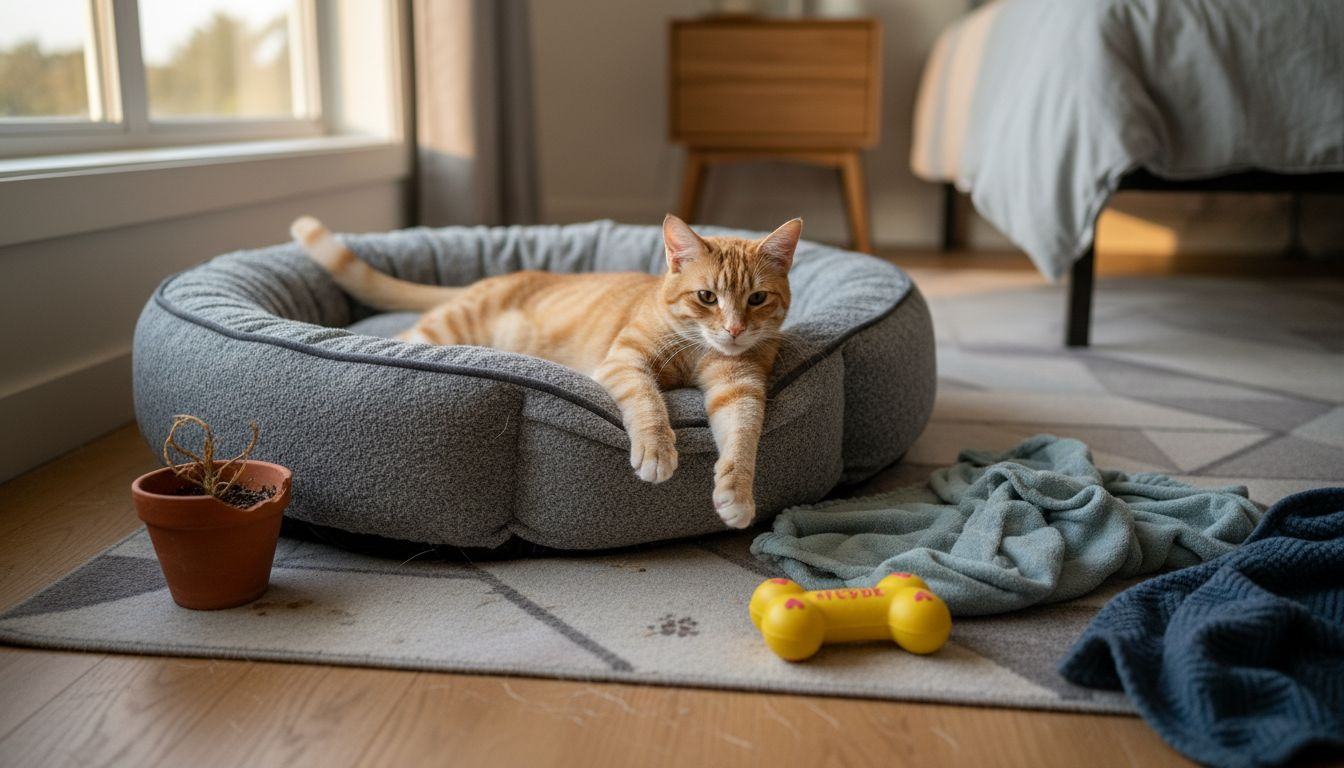
Measure your pet in their natural sleeping position. Add 10-15 cm to each dimension for comfortable stretching. Small dogs and cats need beds around 50-60 cm diameter, while larger breeds require 80-100 cm or more.
Opt for cushioned beds or plush tents that encourage regular use. Raised edges provide head support and a sense of enclosure that pets find reassuring. Donut-style beds with bolstered sides rank among the most popular designs for this reason.
Ensure furniture colors and styles complement modern decor. Neutral tones like beige, grey, and soft whites blend seamlessly into contemporary interiors. Avoid bright patterns that draw excessive attention or clash with minimalist aesthetics.
Consider these furniture features:
- Size matched to pet dimensions
- Bolstered edges for security
- Non-slip base for stability
- Removable washable covers
- Colors harmonizing with room palette
Pro Tip: Place a familiar blanket or toy in the new furniture initially to help your pet recognize it as their personal space through scent association.
Durability matters for long-term value. Choose reinforced stitching and quality foam that resists compression. Cheap furniture loses shape within months, requiring replacement and wasting money.
Learn about cosy pet beds benefits to understand what separates quality from mediocrity. The ergonomic donut bed exemplifies thoughtful design that pets genuinely prefer.
Step 4: Lighting and Ambiance
Lighting transforms a functional nook into an inviting retreat. Multiple dimmable warm lights create inviting and calming spaces for pets, mimicking natural twilight that encourages rest. Harsh overhead fluorescents cause stress and discourage use.
Use 2-3 light sources with dimmable warm bulbs ranging from 2700K to 3000K. This color temperature feels cozy without appearing yellow or clinical. Incorporate soft lamps placed at varying heights to eliminate harsh shadows and create even illumination.
Avoid bright white or cool-toned bulbs above 4000K that may stress pets. Animals perceive light differently than humans, and overly bright spaces trigger alertness rather than relaxation. Dim lighting signals rest time biologically.
Consider these lighting strategies:
- Floor lamp beside the nook for ambient glow
- Small LED strip under furniture for subtle accent
- Table lamp on nearby shelf for adjustable brightness
- Avoid direct light shining into pet’s eyes
Position lights to illuminate surrounding areas rather than the nook interior directly. Pets prefer shadowed retreats with peripheral lighting, creating a den-like atmosphere. This setup also prevents glare when they look up.
Install dimmer switches or smart bulbs allowing brightness adjustment throughout the day. Brighter settings work for cleaning and interaction, while dimmed lights encourage evening relaxation. Automation can gradually dim lights as bedtime approaches.
Explore pet comfort lighting tips for additional guidance on creating the perfect ambiance.
Step 5: Safety Considerations
Safety prevents health issues and accidents that undermine your pet’s wellbeing. Avoid direct sunlight to reduce heat stress risk when indoor temperatures exceed 35°C, a common concern in UAE homes during summer months. Even with air conditioning, sunlit spots reach uncomfortable temperatures.
Use breathable natural fabrics to prevent skin irritation. Synthetic fabrics linked to 25% increased skin irritation cases compared to cotton and fleece alternatives. Breathability also reduces bacterial growth in humid conditions.
Secure furniture firmly to prevent tipping or falling injuries. Pets jump on and off repeatedly, potentially destabilizing lightweight structures. Anchor larger pieces to walls using furniture straps, and ensure smaller beds have non-slip bases.
Regularly monitor pet behavior for signs of discomfort or stress. Changes in usage patterns, excessive scratching, or avoidance indicate problems requiring adjustment. Your pet’s feedback guides refinements.
Follow these safety guidelines:
- Position away from windows with intense sun exposure
- Maintain indoor temperatures below 35°C
- Choose flame-retardant fabrics when possible
- Remove small decorative items pets could swallow
- Ensure adequate ventilation around the nook
“Creating a safe pet environment requires balancing aesthetics with practical hazard prevention. Temperature control and material breathability rank as top priorities in warm climates.”
Check that electrical cords from nearby lamps stay out of reach. Pets chewing cords risk electrocution, so use cord covers or route cables through walls. Keep the area free from toxic plants or decorative items containing harmful substances.
Understand pet wellness and interiors connections. Review pet-friendly decor safety principles for comprehensive protection.
Common Mistakes and Troubleshooting
Avoiding frequent setup errors saves frustration and creates better outcomes. 35% of pet nook issues stem from poor ventilation causing overheating; 20% from unsecured furniture injuries according to pet furniture specialists. These problems are entirely preventable with proper planning.
Direct sunlight placement remains the most common mistake. Pets quickly abandon overheated spaces, wasting your investment. Even morning sun can become intense by midday, requiring shaded locations from the start.
Unsecured furniture leads to tip-over injuries when pets jump or lean. Lightweight beds slide across tile floors, frustrating pets and creating noise. Use non-slip pads or anchor systems depending on furniture weight and base design.
Non-washable materials complicate maintenance, leading to neglected dirty spaces. Pets avoid soiled areas instinctively, reducing nook usage to zero. Always prioritize removable covers that machine wash easily.
Watch for these common errors:
- Placing nook in high-traffic walkways
- Using furniture too large or small for pet size
- Forgetting to introduce pet gradually to new space
- Ignoring pet’s natural preferences and habits
- Choosing fashion over function in material selection
If your pet ignores their nook initially, give them time to explore without forcing interaction. Place favorite toys or treats inside to create positive associations. Some pets need several days to accept new furniture as their territory.
Observe usage patterns over two weeks. Adjustments may include repositioning for better sightlines, adding or removing cushions, or changing lighting intensity. Pet preferences guide refinements better than assumptions.
Learn more about avoiding pet nook mistakes through comprehensive planning.
Expected Results and Timelines
Set realistic expectations for time investment and outcomes. Setup time ranges from 2-4 hours with a budget of AED 500-1500 depending on furniture quality and DIY versus purchased solutions. Higher budgets buy premium materials requiring less frequent replacement.
Ergonomic furniture matched to pet size can boost usage by 70% compared to generic options. Properly sized beds encourage daily use rather than occasional visits. You should notice increased nook time within the first week as pets recognize it as their dedicated space.
Stress-related behaviors can reduce by 90% within 1-2 weeks after establishing a safe retreat. Excessive barking, destructive chewing, or anxiety symptoms often diminish when pets have a reliable comfort zone. This timeline assumes consistent positive reinforcement without forcing interaction.
Pro Tip: Document your pet’s behavior before setup and track changes weekly using a simple journal to measure actual improvement objectively.
| Metric | Timeline | Expected Outcome |
|---|---|---|
| Setup completion | 2-4 hours | Fully functional nook |
| Initial exploration | 1-3 days | Pet investigates space |
| Regular usage begins | 5-7 days | Daily visits increase |
| Behavior improvement | 1-2 weeks | Stress symptoms reduce |
| Full adoption | 2-4 weeks | Nook becomes preferred spot |
Budget breakdown typically allocates 40% for furniture, 30% for fabrics and cushions, 20% for lighting, and 10% for accessories. Quality investments last years, while cheap alternatives need replacement within months.
Maintenance requires weekly vacuuming and monthly cover washing to maintain hygiene. This routine takes 15-20 minutes weekly, far less than dealing with pet stress behaviors or replacing damaged furniture.
Visit pet nook setup expectations for detailed success metrics.
Explore Stylish Solutions for Your Pet’s Comfort
Creating the perfect cosy pet nook becomes effortless with expert guidance and quality products designed for modern UAE homes. Teddy Pet offers ergonomic, washable pet beds that blend seamlessly with contemporary interiors while prioritizing your pet’s wellbeing. Our thoughtfully crafted essentials reduce maintenance time without compromising style.
Discover comprehensive guides on pet comfort optimization that help you make informed decisions tailored to your home. Browse the Rest & Retreat collection featuring furniture designed specifically for comfort and aesthetic harmony. Explore easy-care pet essentials that simplify daily routines while elevating your pet’s quality of life. Transform your space today.
Frequently Asked Questions
What is the best fabric to use for a pet nook?
Cotton and fleece rank as top choices because they offer breathability, softness, and machine washability. Natural fabrics prevent the skin irritation synthetic materials often cause, making them safer for prolonged contact. Choose options with removable zippered covers for easiest maintenance.
How often should I clean my pet nook materials?
Vacuum the nook weekly to remove fur and debris, and wash cushion covers monthly under normal use. Increase washing frequency to every two weeks if your pet spends extensive time outdoors or has skin conditions. Regular cleaning prevents odor buildup and maintains hygiene standards.
Can I create a cosy pet nook in a small apartment?
Absolutely. Small spaces actually work well because they naturally provide the enclosed feeling pets prefer. Choose compact furniture sized appropriately for your pet, and utilize corner spaces that would otherwise go unused. Vertical elements like wall-mounted shelves can expand the nook without consuming floor area.
How do I know if my pet likes their nook?
Frequent voluntary visits indicate acceptance and comfort. Watch for relaxed body language, regular napping, and choosing the nook over other rest spots. If your pet avoids the space after two weeks, reassess location, lighting, or furniture comfort based on their preferences. Check out pet comfort tips for optimization strategies.
What lighting is safest for pets inside the home?
Warm LED bulbs between 2700K and 3000K provide safe, comfortable illumination without harsh glare. Dimmable options let you adjust brightness for different activities and times of day. Avoid fluorescent or bright white bulbs above 4000K that create clinical atmospheres stressing pets rather than calming them.
Recommended
- 7 Examples of Cosy Pet Spaces for Modern Urban Homes – Teddy Pet
- Why Choose Cosy Pet Beds for Modern Homes – Teddy Pet
- 7 Examples of Cosy Pet Accessories for Stylish Homes – Teddy Pet
- Pet Comfort Optimization Guide for Elegant Urban Homes – Teddy Pet
- Portable Bedding: Why It Matters for Outdoor Comfort – Hazli Collection
- Persönliche Kunstnische einrichten: Ihr individuelles Kunstrefugium - Curiocanvas


