


7 Pet Comfort Tips for Stylish Urban Homes
Finding the perfect balance between your pet’s comfort and your home’s modern style can be tough, especially in a busy Dubai apartment. You want your furry companion to feel at ease without sacrificing design or cleanliness. The challenge is creating a cozy, functional space that works just as well for your pet as it does for you.
The right choices can make a big difference for everyone living under your roof. From supportive dog beds that ease arthritis to dedicated relaxation zones that promote emotional wellbeing, there are smart solutions that blend seamlessly with your décor. You’ll discover proven ways to support your pet’s health, upgrade your apartment’s look, and simplify daily care—all with practical improvements you can see and feel.
Get ready for actionable tips that will help you transform your home into a stylish, pet-friendly retreat. The list ahead offers real, research-backed strategies to give both you and your pet the comfort you deserve.
Table of Contents
- 1. Choose Modern, Cozy Pet Beds for All-Day Comfort
- 2. Create a Special Relaxation Zone in Your Home
- 3. Pick Pet Essentials That Blend With Your Decor
- 4. Keep Your Pet’s Area Clean and Odor-Free
- 5. Use Soft Lighting to Create a Calm Atmosphere
- 6. Select Safe, Durable Materials for Pet Products
- 7. Incorporate Toys and Activities for Mental Comfort
Quick Summary
| Key Insight | Explanation |
|---|---|
| 1. Invest in Quality Pet Beds | Choose orthopedic, stylish pet beds that enhance comfort and support physical health for your pet’s well-being. |
| 2. Design a Relaxation Zone | Create a low-traffic, comfortable area for your pet to feel secure, reducing anxiety and improving rest quality. |
| 3. Select Coordinated Pet Essentials | Choose pet items that complement your home’s décor, enhancing both functionality and aesthetic appeal. |
| 4. Prioritize Cleanliness for Health | Maintain a clean pet area with a regular cleaning routine to promote hygiene and prevent health issues. |
| 5. Incorporate Mental Stimulation | Provide engaging toys and activities to keep your pet mentally stimulated, reducing boredom and anxiety. |
1. Choose Modern, Cozy Pet Beds for All-Day Comfort
If you’re sharing a living space in Dubai with your pet, you know the struggle of finding furniture that works for both of you. A quality pet bed isn’t just about comfort—it’s about creating a designated, stylish sanctuary where your pet can rest while you maintain your home’s aesthetic.
The right pet bed supports your pet’s physical health while fitting seamlessly into your modern décor. Your pet spends roughly 12 to 16 hours per day sleeping or resting, making this investment critical for their wellbeing.
Why Modern Pet Beds Matter
Think of a pet bed as an investment in your pet’s health rather than just a piece of furniture. Orthopedic beds ease arthritis and improve sleep quality, especially for older pets or those with joint concerns. A well-designed bed supports your pet’s natural sleeping position, whether they prefer sprawling or curling.
Modern pet bed designs focus on comfort without compromising style. Solid wood frames paired with ergonomic cushions create stability while maintaining that contemporary aesthetic your home deserves.
Key Features to Look For
When selecting a pet bed, prioritize these elements:
- Natural materials that blend with your interior while being durable enough for daily use
- Supportive foam cushioning that contours to your pet’s body and reduces pressure points
- Washable, removable covers that simplify cleaning and extend the bed’s lifespan
- Furniture-inspired designs that complement your décor rather than clash with it
- Elevated edges that provide security and support for pets that like to lean while resting
What Makes It Work for Urban Homes
In a compact Dubai apartment, every piece of furniture serves multiple purposes. A stylish pet bed becomes both functional and decorative. Your pet gets the comfort they need, and your space maintains its polished appearance.
The best modern beds use natural materials and thoughtful construction that prioritize durability alongside pet comfort. This means your investment lasts through years of use without deteriorating or looking worn.
A quality pet bed directly impacts your pet’s sleep quality, physical health, and your home’s visual appeal—making it one of the smartest comfort investments you can make.
Practical Application
Choose a bed that matches your home’s color palette and design style. If your space features warm wood tones, select a bed with natural wood framing. For minimalist interiors, opt for clean-lined designs in neutral fabrics.
Consider your pet’s size and sleeping habits. Does your dog sprawl across the floor, or do they prefer burrowing? Larger rectangular beds suit sprawlers, while smaller, enclosed designs work better for curlers.
Pro tip: Measure your pet’s full length when stretched out, then add 6 inches to the bed dimensions—this ensures they have room to move comfortably without the bed feeling cramped.
2. Create a Special Relaxation Zone in Your Home
Your pet needs a designated space that feels like their own sanctuary. A relaxation zone isn’t just a corner with a bed—it’s a thoughtfully designed area where your pet can escape stress and feel secure in your shared living environment.
In a bustling Dubai apartment, creating this zone transforms how your pet experiences home. Your pet deserves space designed with their comfort in mind, not squeezed into whatever room is left over.
Why Dedicated Relaxation Zones Matter
Pets benefit from having a predictable, calm space that’s entirely theirs. Creating dedicated zones in the home contributes to better ergonomics and comfort for all inhabitants. When pets have a dedicated retreat, they experience less anxiety and better rest quality.
Designing homes to accommodate pets involves creating spaces that foster companionship and emotional wellbeing. Your pet learns to associate this zone with relaxation and safety, making it their go-to spot when they need downtime.
Elements of an Ideal Relaxation Zone
Your pet’s zone should include these key features:
- Low-traffic location away from high-activity areas like the kitchen or entryway
- Soft, comfortable bedding that cushions joints and invites lounging
- Visual boundaries such as a corner, alcove, or lightweight screen that creates a sense of enclosure
- Minimal noise and distractions that allow your pet to fully relax
- Easy access so your pet can enter and exit without jumping or straining
- Temperature control away from air conditioning vents or direct sunlight
Designing Your Zone for Style and Function
Your relaxation zone should complement your home’s aesthetic while meeting your pet’s needs. Choose colors that coordinate with your décor, and select furniture pieces that blend seamlessly into your space.
Consider your pet’s size and behavior. A nervous pet might prefer an enclosed nook, while a confident dog might enjoy an open bed in a quiet corner. The space should feel inviting to your pet while looking intentional in your interior.
A well-designed relaxation zone gives your pet a sense of ownership and security, reducing stress while enhancing your home’s overall design.
Practical Setup Tips
Start by identifying the quietest, least-trafficked area in your home. Position your pet’s bed here and surround it with soft textures that promote relaxation.
Add elements that signal comfort to your pet. Some pets respond well to textured fabrics, while others prefer smooth surfaces. Observe what your pet gravitates toward naturally.
Keep water nearby but separate from the bed itself. Place a small water bowl just outside the zone so your pet can hydrate without dampening their sleeping space.
Pro tip: Add a soft blanket or item with familiar scents to your pet’s zone—this makes the space feel secure and encourages them to use it regularly.
3. Pick Pet Essentials That Blend With Your Decor
Pet ownership and interior design don’t have to compete for your attention. The best pet essentials work as functional items for your animal while looking intentional in your home’s overall aesthetic.
In Dubai’s stylish urban homes, clashing pet gear stands out like an afterthought. You can choose pet essentials that serve your pet’s needs while enhancing your décor instead of disrupting it.
Understanding Design-Forward Pet Essentials
Modern pet furniture goes beyond basic functionality. Human-pet furniture design innovations include modular and customizable solutions that balance functionality and style. Your lifestyle informs which pieces will work best in your specific space and with your pet’s habits.
The shift toward integrated pet design means you no longer settle for plastic food bowls or mismatched beds. Pet essentials now come in materials and finishes that coordinate with contemporary interiors.
Key Essentials That Work Stylishly
Focus on these core pieces that truly impact your home’s appearance:
- Pet feeders in stainless steel, ceramic, or wood that match your kitchen aesthetic
- Water bowls in coordinating colors or materials that don’t look like pet supplies
- Storage solutions for toys, treats, and supplies that blend with furniture
- Pet beds in fabrics and colors that complement your palette
- Litter box enclosures that disguise rather than advertise their purpose
- Grooming tools stored in attractive organizers rather than visible baskets
Matching Your Home’s Style Language
Start by identifying your home’s dominant colors and materials. Are you drawn to warm wood tones, cool metallics, or neutral textiles? Your pet essentials should echo these choices.
Consider your décor’s overall aesthetic. Minimalist spaces benefit from sleek, streamlined pet pieces in neutral colors. Warm, traditional interiors work well with natural wood or woven materials that add texture.
Choosing pet essentials that coordinate with your home design creates a cohesive space where your pet’s comfort and your aesthetic vision coexist beautifully.
Practical Implementation Strategy
Begin with visible items that get noticed most. Upgrade your pet’s food and water setup first, as these occupy prominent kitchen or dining space. Next, address sleeping areas with a stylish bed that coordinates with surrounding furniture.
Hidden items like litter boxes, storage bins, and grooming supplies can follow. These don’t need to match perfectly since they’re less visible, but choosing neutral options keeps your space looking intentional.
Cosy pet accessories for stylish homes demonstrate how comfort and design can work together seamlessly. Look for inspiration in spaces that mirror your own design preferences.
Pro tip: Choose a neutral base color for main pet pieces, then add personality with interchangeable accessories like cushion covers or food mat patterns that can change seasonally.
4. Keep Your Pet’s Area Clean and Odor-Free
A clean pet space isn’t just about appearances—it directly impacts your pet’s health and your home’s livability. Pet areas that harbor bacteria and odors create uncomfortable environments for both your animal and your household.
In a Dubai apartment, odor control becomes even more important. Your pet’s zone should feel fresh and hygienic without requiring harsh chemicals that could harm your animal.
Why Cleanliness Matters for Pet Health
Maintaining a clean pet area prevents disease and promotes a pleasant atmosphere throughout your home. Rigorous cleaning routines using pet-safe products help control odor while protecting your pet’s health.
Bacteria, fungi, and parasites thrive in soiled bedding and around waste areas. Regular cleaning removes these threats before they cause illness or create stubborn odors that linger for weeks.
Your pet also benefits psychologically from a fresh space. Clean zones feel inviting and comfortable, encouraging your pet to use their designated areas consistently.
Essential Cleaning Routine Elements
Build a sustainable cleaning schedule around these core tasks:
- Daily waste removal from litter boxes, puppy pads, or designated bathroom areas
- Weekly washing of bedding, blankets, and cushion covers in hot water
- Twice-weekly vacuuming of pet areas to remove hair, dander, and debris
- Regular sanitizing of feeding bowls, water dishes, and food prep surfaces
- Monthly deep cleaning of floors, corners, and furniture where odors accumulate
- Immediate spot cleaning of accidents to prevent odor from setting in
Implementation Strategies
Start by selecting washable materials for pet bedding and covers. This makes cleaning infinitely easier and more frequent than non-removable options.
Position your pet’s area on flooring that’s easy to maintain. Hard floors allow quick cleanup, while rugs or mats should be wipeable or machine-washable.
Pet-safe cleaning solutions protect your pet while effectively eliminating odors. Choose enzymatic cleaners that break down odor-causing compounds rather than masking them with fragrance.
A consistent cleaning routine eliminates the buildup that creates persistent odors while creating a healthier environment for your pet to thrive.
Tools That Make Cleaning Easier
Invest in tools designed specifically for pet owners. A handheld vacuum works well for quick cleanups between full vacuuming sessions. Enzymatic cleaners tackle accidents at the molecular level rather than surface level.
Store cleaning supplies nearby so you’re motivated to address messes immediately. When supplies require a trip through your entire home, delays happen and odors develop.
Pro tip: Create a simple calendar on your refrigerator tracking cleaning dates—this prevents forgotten tasks and ensures your pet’s area stays consistently fresh and hygienic.
5. Use Soft Lighting to Create a Calm Atmosphere
Lighting profoundly influences your pet’s mood and behavior. The right illumination transforms your pet’s space from ordinary to genuinely calming, encouraging rest and reducing anxiety throughout the day.
Many pet owners overlook lighting when designing comfortable spaces. Yet warm, soft light is one of the most affordable and effective ways to create an environment where your pet naturally feels relaxed.
How Lighting Affects Your Pet
Pets respond to light much like humans do. Soft lighting fosters a warm and inviting atmosphere conducive to comfort and relaxation. Bright overhead lights or cool-toned bulbs can overstimulate your pet and trigger alertness when they should be winding down.
Your pet’s circadian rhythm—their internal sleep and wake cycle—depends heavily on light exposure. Reducing blue light exposure and using warm tones helps maintain natural patterns and promotes calm, restful behaviors.
Lighting Strategies for Pet Zones
Implement these practical lighting approaches:
- Warm-colored bulbs (2700K or lower) that mimic natural sunset and promote relaxation
- Dimmable LED lights that let you adjust intensity based on time of day
- Layered ambient lighting combining overhead and accent sources for flexibility
- Indirect lighting that bounces off walls rather than shining directly on your pet
- Soft table lamps positioned away from your pet’s sleeping area to avoid harsh shadows
- Avoid blue light during evening hours, as it suppresses melatonin and disrupts sleep
Practical Implementation
Start by replacing harsh overhead lights in your pet’s relaxation zone. Install dimmable bulbs so you can adjust brightness throughout the day as your pet’s needs change.
Position lights strategically so they illuminate the space without shining directly into your pet’s eyes. Indirect lighting creates warmth while protecting your pet’s sensitive vision.
Consider the timing of your lighting. During the day, allow natural sunlight when possible. As evening approaches, gradually shift to warmer, dimmer tones that signal rest time to your pet’s brain.
Soft, warm lighting creates a sanctuary atmosphere where your pet naturally gravitates toward rest, reducing stress and promoting deeper, more restorative sleep.
Combining Light With Other Comfort Elements
Pet relaxation naturally at home combines multiple sensory elements. Soft lighting works best alongside a comfortable bed, quiet location, and minimal distractions.
If your pet seems anxious, evaluate your entire environment. Poor lighting compounds other stressors, making it harder for your pet to settle down even with other comfort measures in place.
Pro tip: Install dimmer switches in your pet’s zone so you can gradually reduce light intensity as evening approaches, signaling your pet’s body it’s time to prepare for sleep.
6. Select Safe, Durable Materials for Pet Products
Not all pet products are created equal. The materials used in your pet’s bed, toys, and accessories directly impact their safety, health, and how long those items actually last before needing replacement.
In Dubai’s heat and humidity, material quality becomes even more critical. Poor-quality materials degrade faster, harbor bacteria more easily, and may contain chemicals that harm your pet over time.
Why Material Selection Matters
Your pet spends hours daily in contact with their essentials. Material choice directly impacts pet product safety and durability. Toxic chemicals in low-quality fabrics and plastics can leach into your pet’s system, causing allergies, digestive issues, or other health problems.
Durable materials mean your investment lasts longer. When you choose quality over bargains, you spend less money replacing worn-out items repeatedly.
Safe, Sustainable Material Options
Look for pet products made from these proven materials:
- Thermoplastic elastomers (TPEs) that are FDA-compliant and designed specifically for pet use
- Food-grade silicone that withstands chewing and cleaning without degrading
- Recycled fabrics that reduce environmental impact while providing durability
- Organic cotton that feels soft while avoiding synthetic chemical treatments
- Natural rubber that is non-toxic and resistant to tearing
- Stainless steel for bowls and metal components that resist rust and corrosion
Understanding What to Avoid
Steer clear of products containing harmful chemicals. Low-cost plastic toys often contain BPA, phthalates, or other compounds that compromise pet health.
Check product labels carefully. Reputable manufacturers clearly list materials and certifications. If a product lacks transparency about what it’s made from, that’s a red flag.
Investing in pet products made from safe, durable materials protects your pet’s wellbeing while reducing long-term replacement costs.
Making Smart Purchasing Decisions
Quality pet gear provides comfort, safety, and style that justifies the investment. Examine product reviews from other pet owners who can speak to real durability and safety.
Consider your pet’s habits when selecting materials. Heavy chewers need reinforced, bite-resistant options like thermoplastic elastomers. Anxious pets benefit from soft, washable fabrics that feel comforting.
Test product quality before fully committing. Many retailers accept returns if products don’t meet your standards or your pet rejects them.
Maintenance Extends Product Life
Even quality materials require proper care. Wash bedding regularly in hot water to eliminate bacteria and extend fabric life.
Inspect products monthly for signs of wear. Early replacement of damaged items prevents your pet from ingesting pieces or fibers that could cause health issues.
Pro tip: When purchasing pet products, prioritize items with removable, machine-washable covers—this feature dramatically extends durability while keeping materials fresh and hygienic.
7. Incorporate Toys and Activities for Mental Comfort
Physical comfort alone isn’t enough for your pet’s wellbeing. Mental stimulation through toys and activities is just as vital to keeping your pet happy, balanced, and emotionally healthy in your urban home.
Bored pets develop destructive behaviors and anxiety. The right toys transform your pet’s daily routine into an enriched experience that keeps their mind engaged and satisfied.
Why Mental Stimulation Matters
Toys provide essential mental stimulation by encouraging problem-solving, relieving stress, and supporting emotional regulation. When your pet’s brain is engaged, they experience less anxiety and fewer behavioral problems.
Urban living restricts your pet’s natural activities like hunting, exploring, and roaming. Toys and games recreate these instinctive behaviors within your apartment, providing the mental engagement your pet needs.
Types of Mental Stimulation Activities
Offer your pet a variety of enrichment options:
- Puzzle feeders that require your pet to work for their meals
- Interactive toys that respond to touch or movement
- Scent games where your pet searches for hidden treats
- Rotating toy selection to prevent boredom from familiar items
- DIY activities like hiding treats in boxes or fabric
- Tug toys that engage your pet in interactive play with you
Building a Sustainable Enrichment Routine
Mental stimulation is vital for behavioral health, preventing anxiety, cognitive decline, and boredom. Create a daily schedule that incorporates multiple types of activities throughout the day.
Start with 10 to 15 minutes of dedicated playtime. Gradually increase as your pet learns to engage with toys and activities independently.
Rotate toys regularly to maintain novelty and prevent habituation. When a toy loses appeal, store it for a few weeks before reintroducing it as something new.
Mental comfort through play and enrichment activities transforms your pet from bored and anxious into engaged and emotionally satisfied.
Practical Implementation in Your Space
Pet accessories that enhance comfort include toys and activity stations that fit seamlessly into your décor. Choose toys in colors and materials that coordinate with your home’s aesthetic.
Designate a toy storage area that’s accessible to your pet but keeps items organized. A stylish basket near their relaxation zone works both functionally and visually.
Observe which activities your pet prefers. Some pets love puzzle games, while others enjoy interactive play or scent hunting. Tailor your enrichment strategy to your pet’s natural inclinations.
Pro tip: Introduce puzzle feeders during meal times instead of using regular bowls—this transforms feeding into mental work that satisfies your pet’s cognitive needs while controlling portion sizes.
Below is a comprehensive table summarizing the strategies and key considerations for creating and maintaining comfortable and stylish pet-friendly living environments discussed in the article.
| Section | Key Points | Recommendations |
|---|---|---|
| Choosing Modern Pet Beds | Select beds with ergonomic features and designs that complement home aesthetics. | Opt for natural materials and washable covers for durability and cleanliness. |
| Creating Relaxation Zones | Allocate a low-traffic, quiet area with soft bedding and minimal distractions for pets. | Incorporate visual boundaries and temperature control for additional comfort. |
| Blending Essentials with Décor | Use furniture-inspired designs for pet areas and essentials that suit your interior style. | Start with visible items like feeders and bedding for cohesive design integration. |
| Maintaining Cleanliness | Develop a cleaning routine to ensure hygiene and odor control in pet areas. | Use pet-safe cleaning solutions and washable materials for convenience. |
| Incorporating Lighting | Adjust lighting to maintain a calming environment, using warm-colored bulbs and indirect sources. | Install dimmable lights for flexibility throughout the day. |
| Selecting Durable Materials | Choose pet products made from safe, durable materials that ensure your pet’s health and comfort. | Opt for organic and FDA-compliant materials such as thermoplastic elastomers and stainless steel. |
| Promoting Mental Comfort | Provide toys and activities for mental stimulation and engagement to prevent boredom and anxiety. | Rotate toys periodically and include interactive options like puzzle feeders. |
Elevate Your Urban Pet Comfort with Stylish Essentials
Creating a cozy, stylish home that supports your pet’s comfort and wellbeing can feel overwhelming. From finding the perfect modern pet bed to designing a dedicated relaxation zone, you want solutions that blend seamlessly with your interior while prioritizing your pet’s health and happiness. This is where Teddy Pet excels by offering thoughtfully designed products crafted for safety, durability, and comfort. Our collections focus on natural materials, ergonomic design, and easy maintenance to help you build that perfect sanctuary for your furry friend.
Explore our Rest & Retreat – Teddy Pet collection for modern, cozy beds and accessories that support restful sleep and complement your home’s aesthetic.
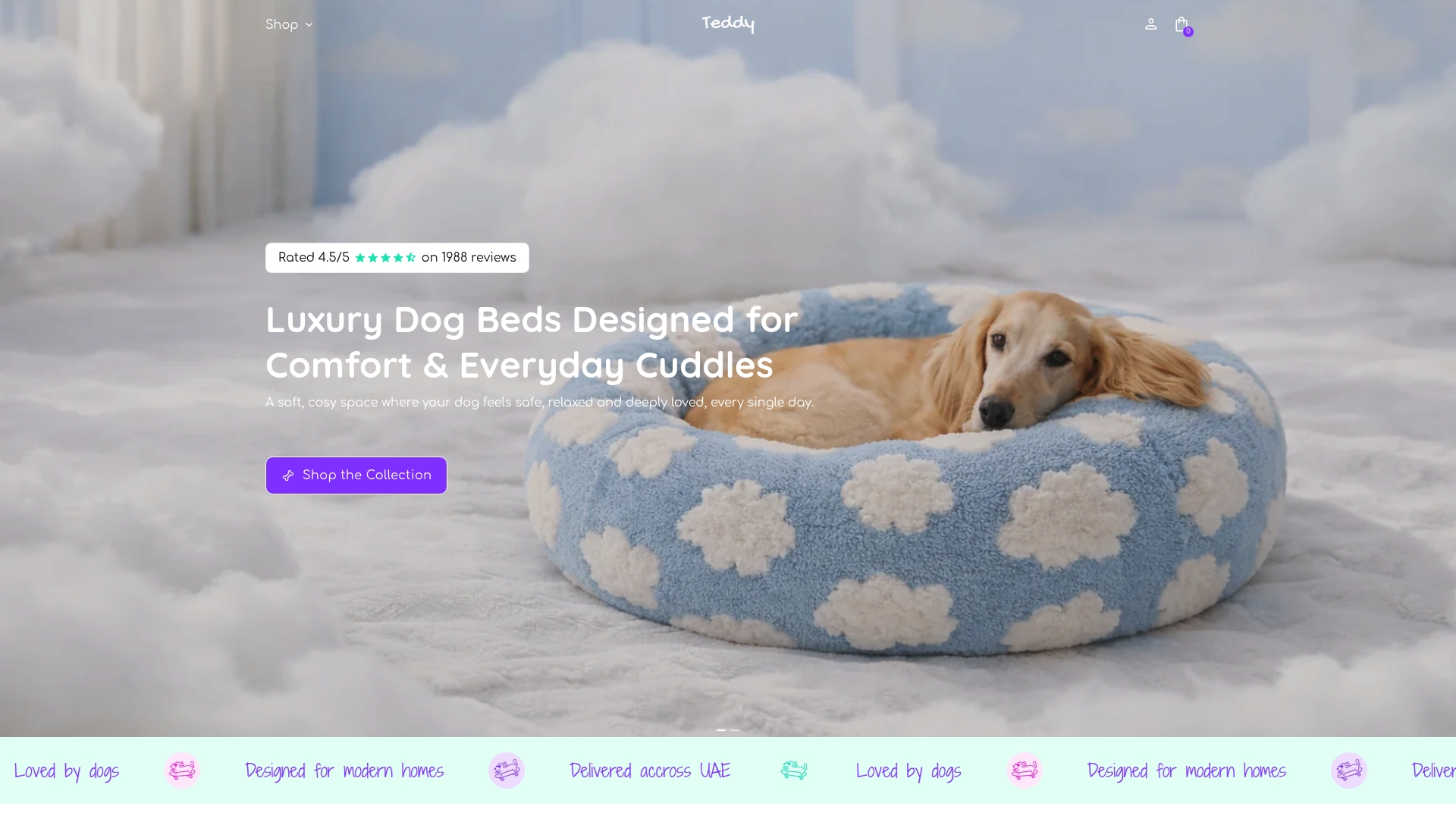
Discover how Teddy Pet’s stylish essentials can transform your space into a harmonious environment where your pet feels truly at home. Visit Teddy Pet now to choose products that simplify daily care and elevate your pet’s comfort today. Don’t wait to create the sanctuary your pet deserves.
Browse additional solutions in our Travel & Care – Teddy Pet collection to extend comfort and care beyond home.
Frequently Asked Questions
How do I choose a comfortable pet bed that fits my home’s style?
Selecting a comfortable pet bed involves looking for modern designs and natural materials that match your interior decor. Prioritize supportive foam cushioning and washable covers. Aim for a bed that complements your color palette while providing a cozy spot for your pet to rest.
What features should I include in my pet’s relaxation zone?
Your pet’s relaxation zone should feature soft bedding, a low-traffic location, and minimal noise to create a calming environment. Consider adding visual boundaries and keeping the area temperature-controlled for optimal comfort. Design the space with your pet’s size and preferences in mind for a more inviting atmosphere.
How can I keep my pet’s area clean and free of odors?
Maintain a clean pet area by implementing a regular cleaning routine that includes daily waste removal and weekly washing of bedding. Use pet-safe cleaning products to sanitize feeding bowls and surfaces, and conduct a monthly deep clean of the entire area. Develop a simple cleaning schedule to ensure freshness throughout your pet’s zone.
What types of toys are best for stimulating my pet’s mind?
Engaging toys like puzzle feeders and interactive options are excellent for mental stimulation. Incorporate a variety of activities, such as scent games and tug toys, to keep your pet entertained and satisfied. Rotate toys regularly to maintain interest and prevent boredom.
How does lighting impact my pet’s comfort?
Using soft, warm lighting creates a calming atmosphere that helps reduce your pet’s anxiety and encourages restful behavior. Install warm-colored bulbs and consider using dimmable options to adjust brightness throughout the day. Gradually dim lights during the evening to signal it’s time for rest.
What materials should I look for in durable pet products?
Choose pet products made from safe and durable materials such as food-grade silicone, organic cotton, and stainless steel. Avoid items containing harmful chemicals and prioritize washable components to maintain hygiene. Regularly inspect products for wear and replace any damaged items to ensure your pet’s safety.
Recommended


