


How material choices impact pet comfort, safety, and style
Many pet owners assume any cute bed or stylish accessory is automatically safe and comfortable for their pets. That assumption can lead to real problems. The materials behind every collar, bed, toy, and blanket directly shape your pet’s health, daily comfort, and even how your home looks and feels. Some products look gorgeous on a shelf but irritate sensitive skin, trap heat, or fall apart after a few washes. This guide breaks down exactly what to look for in pet product materials so you can make choices that genuinely work for both your pet and your living space.
Table of Contents
- How materials influence comfort and safety for pets
- Natural vs. synthetic fabrics: pros, cons, and myths
- Safety first: Identifying non-toxic and allergy-safe materials
- Style and sustainability: Materials that blend seamlessly in modern homes
- Investing in quality: Long-term benefits for pets and owners
- A pet-lover’s take: The real difference materials make
- Elevate your pet’s life and home with better material choices
- Frequently asked questions
Key Takeaways
| Point | Details |
|---|---|
| Materials affect pet health | The fabric and fillers in your pet products can prevent allergies and improve everyday comfort. |
| Choose safe, certified options | Look for hypoallergenic and non-toxic labels to keep your pet healthy and your home clean. |
| Quality lasts longer | Investing in durable, thoughtfully designed products saves money and enhances your pet’s life. |
| Sustainability and style align | Eco-friendly materials offer both environmental benefits and choices that fit with modern decor. |
How materials influence comfort and safety for pets
When we talk about “pet-safe” materials, we mean fabrics and components that are hypoallergenic, non-toxic, and durable enough to withstand daily use. But those three qualities don’t always come packaged together, and that’s where most shoppers run into trouble.
Different product categories demand different material priorities. A pet bed needs cushioning that supports joints, breathability to prevent overheating, and a surface that won’t irritate skin. A collar needs strength, flexibility, and hardware that won’t cause neck abrasion. A chew toy needs materials that hold up under pressure without releasing harmful chemicals. There is no single “best” material across the board.
Poor material choices show up fast. Rough synthetic linings can cause hot spots on a dog’s elbows. Beds stuffed with low-grade polyester fill can flatten within weeks, leaving older pets sleeping on hard surfaces. Dyes used in cheap fabrics can trigger contact dermatitis, a skin reaction that causes redness and itching. Soft and non-toxic materials enhance comfort and prevent allergies in pets, which is why material transparency from brands matters so much.
Materials also play a direct role in temperature regulation. Natural fibers tend to breathe better, which helps pets stay cool in summer and warm in winter. Memory foam and orthopedic fill in beds cushion aging joints and reduce pressure points for large breeds or senior dogs. These aren’t luxury upgrades. They’re functional choices that affect daily wellbeing.
Here’s a quick breakdown of what to prioritize by product type:
- Pet beds: Look for orthopedic or memory foam fill, breathable outer fabric, and a removable, washable cover
- Collars and leashes: Prioritize soft-lined nylon or genuine leather with smooth, rust-resistant hardware
- Toys: Choose natural rubber, untreated cotton rope, or BPA-free plastics
- Blankets: Opt for hypoallergenic fleece or organic cotton that won’t pill or shed
Understanding comfort in pet products goes beyond softness. It’s the full picture of how a material interacts with your pet’s body every single day.
Pro Tip: Run your hand firmly across any new pet product before buying. If it pills, sheds fibers, or has a chemical smell, skip it. Those are early warning signs of low-quality materials.
Natural vs. synthetic fabrics: pros, cons, and myths
Having established the importance of safe, comfy materials, let’s dig deeper into the natural vs. synthetic debate.
Natural fabrics like cotton, linen, and wool have real advantages. They breathe well, feel soft against skin, and tend to look more refined in a home setting. Natural fabrics for pets are often more breathable and attractive for home interiors, which matters when a pet bed sits in your living room every day. Cotton is easy to wash and gentle on sensitive skin. Linen gets softer with each wash. Wool offers natural temperature regulation and odor resistance.
Synthetic options like polyester and nylon bring their own strengths. They resist stains, dry faster, and often cost less. High-denier nylon is nearly indestructible for heavy chewers or rough-and-tumble dogs. Microfiber polyester can mimic the softness of velvet while standing up to muddy paws.
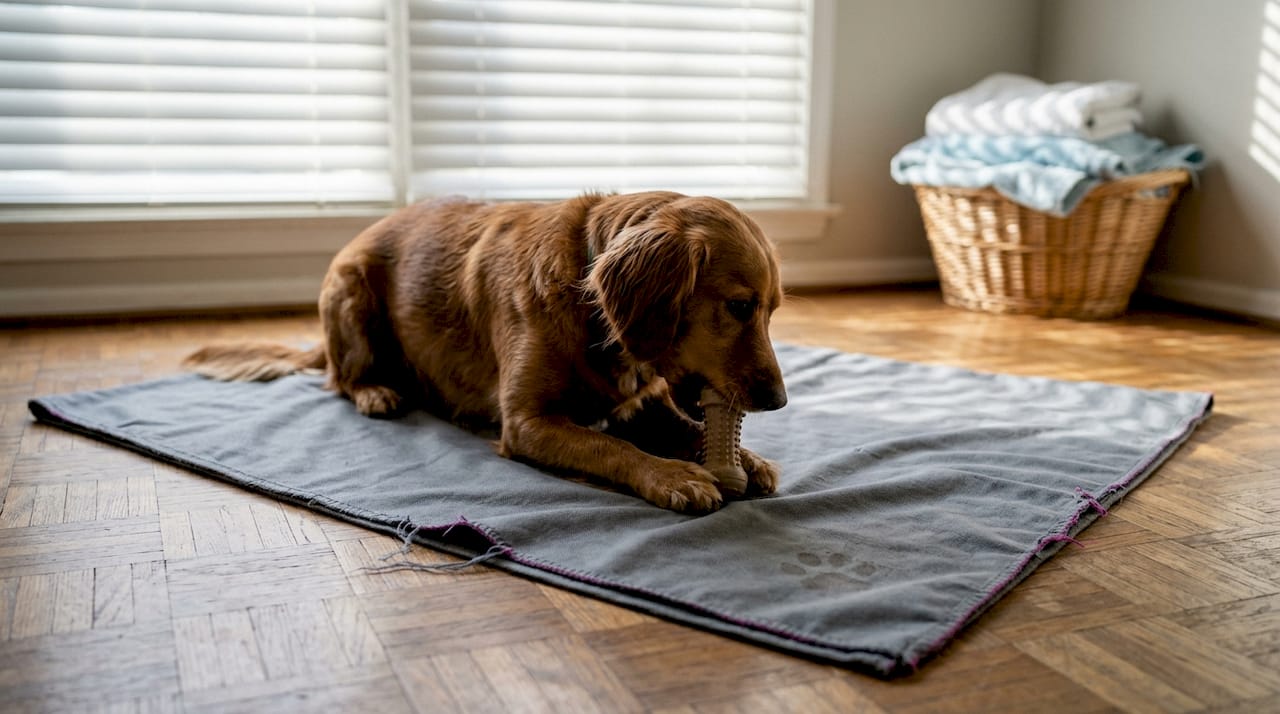
Here’s a side-by-side comparison to make the choice clearer:
| Feature | Natural fabrics | Synthetic fabrics |
|---|---|---|
| Breathability | High | Low to moderate |
| Stain resistance | Low | High |
| Durability | Moderate | High |
| Eco-friendliness | High | Low (unless recycled) |
| Maintenance | More effort | Easy care |
| Home aesthetic | Warm, natural look | Varies widely |
| Allergy risk | Low | Moderate (with dyes) |
“The best pet product isn’t always the most expensive or the most natural. It’s the one that fits your pet’s needs, your lifestyle, and your home without compromise.”
The biggest myth in this space is that synthetics are always the bad guys. Recycled polyester made from post-consumer plastic bottles is both durable and more sustainable than virgin cotton. And not all natural materials are low-maintenance. Wool can shrink, linen wrinkles easily, and untreated cotton absorbs odors quickly in a home with active pets.
The smarter approach is to match the fabric to the function. A linen-covered bed frame looks stunning in a minimalist living room. A waterproof polyester liner inside that same bed protects the fill from accidents. Both materials working together deliver a better result than either alone.
Safety first: Identifying non-toxic and allergy-safe materials
With fabric types in mind, let’s focus on practical steps for choosing materials that prioritize safety.
Not every product on the market is as safe as its packaging suggests. Some pet products still contain toxic dyes or fillers that could endanger pets with allergies or sensitivities. The challenge is that most of these risks aren’t visible to the naked eye.
Here’s how to shop more safely:
- Check for certifications. Look for OEKO-TEX Standard 100 or GOTS (Global Organic Textile Standard) labels. These certifications confirm that fabrics have been tested for harmful substances.
- Read the fill label. Beds stuffed with recycled shredded foam may contain adhesives or chemicals from the original material. Look for CertiPUR-US certified foam.
- Avoid strong chemical smells. A new product that smells strongly of chemicals likely contains VOCs (volatile organic compounds) that can irritate airways and skin.
- Check hardware and dyes. Metal buckles and zippers should be nickel-free. Fabric dyes should be water-based and non-reactive.
- Research the brand’s transparency. Brands that list their materials fully and link to safety testing data are far more trustworthy than those with vague descriptions.
Knowing the signs of irritation in your pet is equally important. Watch for excessive scratching, red or flaky skin, hair loss around contact points, or watery eyes after introducing a new product. These can all point to a material reaction.
Shopping for safe pet accessories doesn’t have to feel overwhelming. Once you know what certifications and labels to look for, the process becomes much faster and more confident.
Stat to know: Skin and coat issues are among the most common reasons pet owners visit the vet, and environmental allergens including fabrics and materials are a frequently overlooked trigger.
Style and sustainability: Materials that blend seamlessly in modern homes
Safety and function are just part of the equation. Material choices also impact style and sustainability.
78% of consumers prefer eco-friendly pet products for their homes, and that number keeps climbing as more people connect their purchasing habits to broader environmental values. The good news is that sustainable materials have come a long way in terms of aesthetics.
Eco-friendly options now include recycled PET fabric (made from plastic bottles), organic cotton, FSC-certified wood for furniture-style pet pieces, and natural latex for bedding. These materials are designed to look as good as they perform.
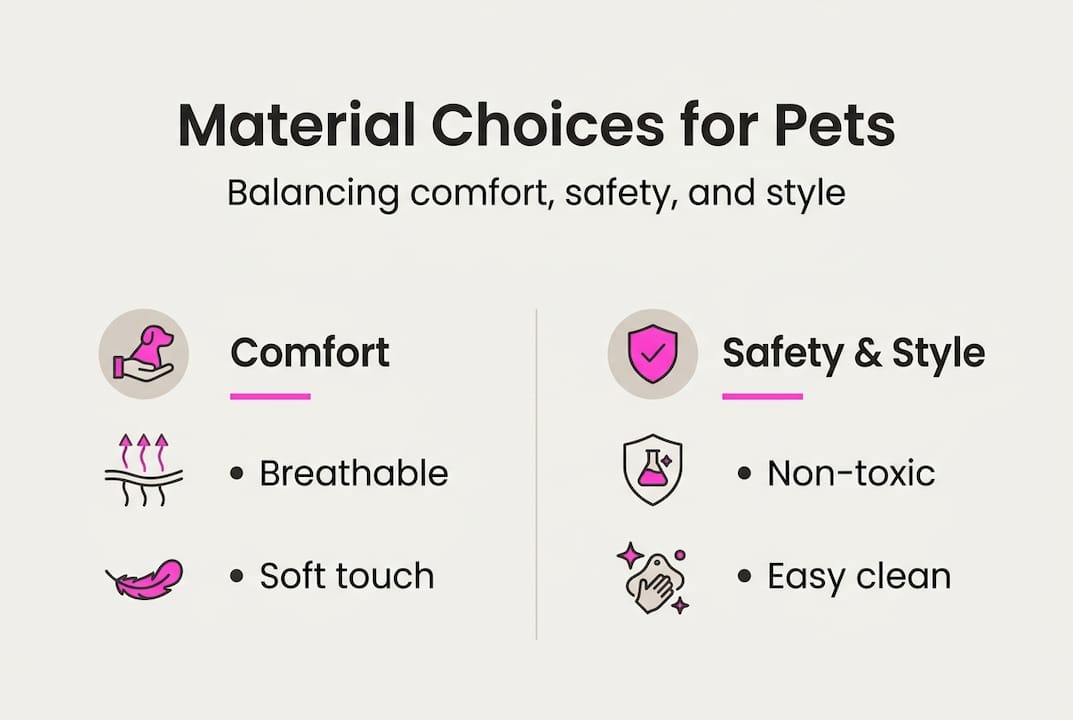
| Sustainable material | Best use | Visual style |
|---|---|---|
| Organic cotton | Beds, blankets | Soft, natural tones |
| Recycled PET fabric | Covers, liners | Modern, textured |
| Natural latex | Bed fill | Clean, minimal |
| FSC-certified wood | Crates, furniture | Warm, Scandinavian |
| Hemp fabric | Collars, leashes | Earthy, casual |
For pet-friendly decor, the goal is cohesion. A rattan-framed dog bed with a linen cushion fits naturally into a boho or coastal living room. A sleek elevated feeder in powder-coated steel suits a modern minimalist kitchen. The material tells the design story.
The role of aesthetic pet products in home design is no longer a niche conversation. Interior designers now routinely include pet furniture in their plans, choosing pieces that complement rather than clash with the overall space.
- Look for certifications like GOTS, OEKO-TEX, and FSC when shopping sustainable
- Neutral tones in natural materials photograph well and age gracefully in interiors
- Sustainable brands often offer better material transparency overall
Investing in quality: Long-term benefits for pets and owners
Understanding sustainable style is important, but long-term durability and value are just as crucial when choosing pet products.
Quality pet gear improves lifestyle for both pets and owners by reducing replacement costs and improving daily comfort. A cheap bed that lasts six months costs more over two years than a well-made one that lasts three times as long.
Here’s what signals genuine quality in pet products:
- Double-stitched seams that don’t unravel after washing
- High-density foam that holds its shape under a pet’s weight
- Colorfast fabrics that don’t bleed or fade after repeated washing
- Non-slip bases on beds and mats that stay put on hardwood floors
- Replaceable covers that extend the life of the inner product
The hidden cost of cheap products goes beyond replacement fees. Poorly made collars can snap during a walk. Beds that flatten quickly leave senior dogs sleeping on hard floors, which worsens joint pain. Toys that shed material can become choking hazards. When you invest in pet comfort, you’re also investing in fewer vet visits and less daily stress.
Knowing when to replace a product matters too. Fraying edges, compressed fill, faded fabric, and broken hardware are all signs that a product has reached the end of its useful life. Holding onto worn-out gear isn’t frugal. It’s a safety risk.
Choosing accessories for comfort that are built to last is one of the most practical decisions a pet owner can make. Quality and value aren’t opposites. They’re the same thing measured over time.
Pro Tip: Before buying, check whether the brand offers replacement covers or spare parts. That single feature can double the lifespan of a product and cut your long-term costs significantly.
A pet-lover’s take: The real difference materials make
Most articles stop at “choose non-toxic materials” and call it a day. But that advice barely scratches the surface of what smart material choices actually deliver.
We’ve seen it firsthand: families who switched from generic polyester beds to natural, hypoallergenic options noticed their dogs sleeping longer and scratching less within weeks. That’s not a coincidence. It’s the direct result of removing a low-level irritant from a pet’s daily environment.
What conventional wisdom often misses is the home design dimension. A pet product made from the right material doesn’t just serve your pet. It serves your space. It sits quietly in a corner without looking out of place. It ages well. It doesn’t clash with your sofa or your aesthetic.
The role of aesthetics in pet products is often dismissed as vanity, but it’s actually about integration. When your pet’s space feels like a natural extension of your home, everyone in the household benefits. The pet has a place that feels truly theirs. You have a home that still looks the way you want it to.
Small changes in material quality consistently deliver outsized results in both wellbeing and home harmony. That’s the part most buyers don’t anticipate until they experience it.
Elevate your pet’s life and home with better material choices
You now have the full picture: materials shape comfort, safety, sustainability, and style all at once. The next step is putting that knowledge to work.

At Teddy Pet, every product is designed with non-toxic, thoughtfully sourced materials that look as good as they feel. Whether you’re shopping for a new bed, a stylish collar, or a cozy blanket, our curated collection is built to suit both your pet’s needs and your home’s aesthetic. Explore shop stylish pet products and find pieces that make your pet feel at home without compromising your space. Because the best pet products do both, beautifully.
Frequently asked questions
Why do materials matter so much in pet products?
Poor material choices can lead to allergies, discomfort, and increased wear, which means materials directly affect your pet’s health, daily comfort, and how well accessories integrate with your home style.
Are natural fabrics always better for pets?
Natural fabrics provide comfort and are visually attractive but may require more maintenance, so the right choice depends on your pet’s needs and your lifestyle.
What are signs of high-quality pet product materials?
Quality pet gear uses certified non-toxic materials and lasts longer, so look for reinforced stitching, colorfast fabric, and no signs of shedding or dye transfer.
How can I tell if a pet product is allergy-safe?
Check for hypoallergenic labels and OEKO-TEX certifications, avoid products with strong chemical smells, and watch your pet’s skin for redness or itching after introducing anything new. Some beds and toys contain fillers or dyes that might cause irritation in sensitive pets.
Are sustainable pet product materials also stylish?
Absolutely. A growing number of consumers choose eco-friendly products for their stylish and sustainable qualities, and most modern sustainable materials are designed to fit seamlessly into contemporary homes.
Recommended


