


6 Effective Pet Calming Techniques for Urban Dog Owners
Helping your dog stay relaxed in an urban apartment is often harder than it looks. City life comes with constant sounds, crowded spaces, and unpredictable routines that can raise your pet’s stress levels quickly. If your dog seems anxious or struggles to settle, you are not alone. Creating a peaceful environment is possible, but it takes specific strategies suited for sensitive canine companions.
This guide gives you practical solutions that focus on your dog’s senses, routines, and comfort. You will learn how small changes can make your home their safe haven, reduce daily stress, and improve their well-being. Get ready to discover smart tips and tools that will help your dog unwind and thrive, no matter how hectic city living gets.
Table of Contents
- 1. Create A Calm Home Environment For Your Pet
- 2. Use Soothing Natural Scents And Essential Oils
- 3. Try Stylish Calming Pet Accessories
- 4. Establish A Consistent Routine And Safe Space
- 5. Practice Gentle Touch And Dog Massage
- 6. Incorporate Calming Sounds And Music Therapy
Quick Summary
| Takeaway | Explanation |
|---|---|
| 1. Create a calm environment for your dog | Design a sensory-friendly home to reduce noise, lighting, and visual clutter. This enhances your dog’s emotional well-being in urban settings. |
| 2. Use calming scents safely | Introduce calming essential oils, ensuring proper dilution and application methods. This helps relax your dog through their strong sense of smell. |
| 3. Establish a consistent daily routine | Consistent meal times and exercises help regulate your dog’s internal clock, leading to a sense of security and reduced anxiety levels. |
| 4. Utilize gentle touch and massage | Regular gentle stroking and massage can decrease your dog’s stress hormones and strengthen your emotional bond. Engage during calm moments for best effects. |
| 5. Play calming music during stressful times | Introduce soft, slow-paced music to soothe your dog. This can effectively mask anxiety triggers and encourage relaxation in noisy urban environments. |
1. Create a Calm Home Environment for Your Pet
Your home sets the foundation for your dog’s emotional well-being. A calm environment directly reduces anxiety and encourages positive behaviors that make urban living easier for everyone.
Urban apartments present unique challenges. Your dog experiences constant sensory stimulation from traffic, neighbors, and building sounds. Without intentional design, this overstimulation can lead to chronic stress and behavioral issues.
Sensory Design Matters
Dogs are incredibly sensitive to their surroundings. Sensory elements like sound, lighting, and tactile comfort significantly impact their stress levels and ability to relax.
Start with these practical adjustments:
- Reduce noise by using soft background music or white noise to mask disruptive sounds
- Control lighting with warm, dimmed areas rather than bright, harsh lights
- Remove visual clutter from your dog’s main spaces to prevent overstimulation
- Create designated zones where your dog knows they’re safe and undisturbed
A calm home environment provides the stability and security dogs need to feel confident and relaxed in their living space.
Build Safe Spaces
Designate specific areas where your dog can retreat. This might be a corner with soft bedding, a crate with their favorite blanket, or a quiet room away from foot traffic.
Creating dedicated calming pet furniture gives your dog a concrete place to decompress when they feel overwhelmed by apartment activity.
In the UAE heat, consider:
- Shaded corners with airflow
- Cool, comfortable bedding materials
- Distance from windows with direct sunlight
- Easy access to water in their safe space
Minimize Stress Triggers
Identify what disrupts your dog most. Common triggers in urban homes include doorbells, delivery notifications, and sudden voices from other units.
You can’t eliminate all stressors, but you can reduce their impact. Sound-dampening rugs, strategic furniture placement, and consistent routines help your dog anticipate and manage daily changes.
Pro tip: Create a “calm down” routine before anticipated stressful events, like using soft lighting and gentle music 20 minutes before guests arrive or delivery times.
2. Use Soothing Natural Scents and Essential Oils
Your dog’s sense of smell is extraordinarily powerful, with up to 300 million scent receptors compared to your mere 5 million. This means scents affect them far more intensely than they affect you.
Natural aromatherapy taps into this sensitivity to calm your dog’s nervous system. When used safely and properly, scents can reduce stress hormones while increasing serotonin and dopamine, creating genuine relaxation.
How Scents Work on Dogs
When your dog inhales calming scents, they activate the limbic system in the brain, which controls emotions and stress responses. This is a biological process, not just a pleasant experience.
Calming scents like lavender, chamomile, and valerian trigger this response naturally. Other effective options include frankincense, bergamot, and ginger for different types of anxiety.
Safe, diluted aromatherapy creates a calming household atmosphere that benefits both your dog and you without harmful side effects.
Safe Application Methods
Never apply essential oils directly to your dog’s skin or bedding. Oils must be properly diluted and applied through the right methods.
Consider these safe approaches:
- Diffusion using a dog-safe aromatherapy diffuser in shared spaces
- Collar application with oils applied to a special collar tag, not your dog’s neck
- Bedding infusion by placing a scent-soaked fabric near (not on) their bed
- Topical use only when oils are diluted to 1-2% concentration with veterinary approval
Critical Safety Considerations
Your dog’s sensitive nose means they can be overwhelmed easily. Start with very mild scent exposure and watch for signs of discomfort like sneezing, excessive drooling, or restlessness.
Always consult your veterinarian before introducing aromatherapy. Some dogs have individual sensitivities, and certain health conditions may make scents problematic. Your vet can recommend safe concentrations and application methods tailored to your dog.
In the UAE’s warm climate, be especially careful with diffusers. Heat can intensify scents beyond safe levels, so use them in well-ventilated spaces and monitor your dog’s response closely.
Pro tip: Start with a single drop of diluted oil on a cloth placed near your dog’s bed, observe for 24 hours, then gradually increase exposure if no adverse reactions occur.
3. Try Stylish Calming Pet Accessories
Calming accessories combine function with aesthetics, giving your dog relief while keeping your home design intact. These products work through proven mechanisms like gentle pressure and pheromone release to reduce anxiety naturally.
Urban dog owners in the UAE particularly benefit from accessories that work quietly and seamlessly fit sophisticated interiors. You don’t have to choose between your dog’s well-being and your home’s style.
How Calming Accessories Work
Weighted vests and calming collars use different mechanisms to soothe your dog’s nervous system. Weighted gear applies gentle, consistent pressure that activates relaxation responses, similar to a comforting hug.
Pheromone-infused collars release natural calming compounds that mimic the scents mother dogs produce. Your dog’s brain recognizes these signals and shifts into a more relaxed state automatically.
Designer beds and cushions provide both comfort and security. A quality bed with proper support reduces physical stress while the enclosed feeling creates the safe space dogs instinctively seek.
Scientifically-backed calming accessories lower stress indicators in dogs while fitting seamlessly into elegant urban homes.
Stylish Options for Your Home
Modern calming accessories don’t look medical or awkward. Brands now create pieces that enhance rather than detract from your interior.
Consider these elegant choices:
- Weighted vests designed in neutral colors that match your dog’s natural coat
- Pheromone collars that look like regular leather or fabric collars
- Orthopedic beds available in modern designs that coordinate with furniture
- Calming wraps that function like fashion accessories for anxious dogs
- Aromatherapy accessories for dogs that blend with home décor
Selecting the Right Accessory
Your dog’s personality and anxiety triggers determine which accessory works best. A dog anxious during thunderstorms may benefit most from weighted vests, while separation anxiety responds better to pheromone collars.
Start with one accessory and observe your dog’s response over 2-3 weeks. Some dogs show improvement immediately, while others need time to adjust to wearing something new.
Cozy pet accessories designed for stylish homes offer practical calming benefits without compromising your aesthetic. Quality matters here since your dog will wear or use these items daily.
In the UAE heat, ensure accessories are breathable. Heavy weighted vests can cause overheating, so choose designs with ventilation or use them only during cooler hours.
Pro tip: Introduce any new accessory gradually by letting your dog wear it for short periods with positive associations like treats and play, building comfort before relying on it during stressful situations.
4. Establish a Consistent Routine and Safe Space
Dogs thrive on predictability. A consistent daily routine combined with a designated safe space creates the foundation for emotional stability and reduced anxiety in urban environments.
When your dog knows what to expect, their nervous system relaxes. Uncertainty triggers stress, but structure triggers calm.
The Power of Routine
Predictable meal times, exercise, and rest schedules regulate your dog’s internal clock and lower cortisol, the stress hormone. Your dog’s body learns when to expect food, activity, and rest.
This biological alignment prevents anxiety from uncertainty. Dogs living without routine often develop behavioral issues because their nervous system stays in a heightened state of alertness.
In fast-paced urban settings, routine becomes even more critical. While apartment living brings constant external stimuli, a stable daily schedule acts as an anchor.
Consistent routines lower stress hormones and create the security dogs need to remain calm despite urban chaos.
Building Your Dog’s Daily Schedule
Start by establishing fixed times for key activities. Consistency matters more than the exact timing you choose.
Your routine should include:
- Morning walk at the same time daily for exercise and bathroom needs
- Meals at consistent times (typically morning and evening)
- Play or training sessions scheduled for predictable interaction
- Rest periods with quiet time in their safe space
- Evening wind-down before bedtime to signal sleep time
Creating the Safe Space
A designated safe space teaches your dog where to retreat when stressed. This might be a corner, crate, or dedicated room away from household traffic.
Equip the space with comfortable bedding, familiar scents like your worn shirt, and low lighting. Include a water bowl and a few enrichment toys but keep it uncluttered.
Teach a cue like “go to your space” and reward your dog generously when they enter. Over time, the space itself becomes calming because your dog associates it with safety and relaxation.
In UAE apartments, position the safe space away from windows with intense heat exposure. Air conditioning and shade create a physically comfortable refuge your dog will naturally prefer during anxious moments.
Pro tip: Practice sending your dog to their safe space during calm moments multiple times weekly, so when genuine stress arrives, they already know it’s their refuge rather than a punishment zone.
5. Practice Gentle Touch and Dog Massage
Physical contact is one of the most underrated calming techniques available to you. Simple stroking and intentional massage work on your dog’s nervous system to reduce stress and deepen your bond.
Your touch literally changes your dog’s physiology. When done correctly, gentle contact triggers relaxation responses that calm anxiety from the inside out.
How Touch Calms Your Dog
Gentle stroking and physical contact between humans and dogs reduce stress hormones while strengthening emotional connection. This reciprocal interaction occurs naturally and frequently, averaging about 42 minutes daily in healthy pet relationships.
Your dog’s body interprets your calm, deliberate touch as safety. Cortisol levels drop, heart rate slows, and anxiety subsides within minutes of gentle contact.
Massage takes this further by addressing physical tension that accompanies anxiety. Dogs carrying stress often develop tight muscles and restricted movement, which perpetuates the anxiety cycle.
Intentional touch and massage create measurable reductions in stress while building deeper emotional bonds between you and your dog.
Massage Techniques That Work
You don’t need professional training to help your dog through massage. Simple techniques applied with consistency produce real results.
Try these effective approaches:
- Long, slow strokes along the body from neck to tail using your full hand
- Gentle circular motions on the shoulders and neck where tension accumulates
- Soft pressure along the legs and paws, moving toward the body
- Light fingertip work on the face and around the ears
- Compression techniques where you gently press and release muscle groups
Building Your Touch Practice
Start with simple stroking during calm moments. Let your dog settle beside you, then use slow, purposeful strokes along their body for five to ten minutes.
Pay attention to your dog’s response. Some dogs lean into the touch, while others shift closer to you. Both indicate acceptance and relaxation.
Focus on areas where dogs commonly hold tension, particularly the shoulders, neck, and lower back. Use gentle but consistent pressure rather than tickling or light scratching.
Create a dedicated relaxation space where massage and touch happen regularly, building a positive association with this calming routine. During hot UAE afternoons, massage in air-conditioned, shaded areas prevents overheating while your dog benefits from the physical contact.
Research shows that massage therapy significantly reduces pain and improves mobility in dogs with musculoskeletal tension. Even without specific training, your consistent, gentle touch delivers measurable calming benefits.
Pro tip: Schedule massage sessions during your dog’s naturally calm periods, like late afternoon or before bedtime, when they’re already relaxed and most receptive to the extended physical contact.
6. Incorporate Calming Sounds and Music Therapy
Sound is a powerful yet simple tool for reducing your dog’s anxiety. Playing calming music creates an acoustic environment that directly impacts your dog’s stress levels and behavior.
Unlike other calming techniques, music works passively in the background while you focus on daily activities. Your dog benefits continuously without requiring your active involvement.
The Science Behind Musical Relaxation
Classical music consistently reduces stress markers in dogs, decreasing barking and increasing resting behavior significantly. The slower tempos and gentle compositions mirror natural rhythms that dogs find soothing.
Your dog’s brain responds to specific musical frequencies and tempos. Research shows that both classical music and music specifically designed for canine relaxation effectively reduce anxiety-related behaviors and physiological stress indicators.
Music therapy offers an accessible, cost-effective method to improve your dog’s overall welfare. Unlike medication or supplements, you control when and how much exposure your dog receives.
Calming music reduces anxiety-related behaviors while increasing resting time, providing measurable stress relief without effort from your dog.
Selecting the Right Music
Not all music works equally for dogs. Tempo, instrumentation, and duration all influence effectiveness.
Choose music with these qualities:
- Slow tempos between 50 and 60 beats per minute
- Soft instrumentation like piano, strings, or gentle acoustics
- Minimal percussion that might startle rather than soothe
- Consistent volume without sudden spikes or changes
- Long durations of 2 hours or more for extended exposure
Classical composers like Erik Satie, Debussy, and Chopin create naturally calming pieces. You can also find music specifically composed for dogs on platforms that offer curated canine relaxation playlists.
Practical Implementation for Urban Living
Play calming music during times when your dog typically experiences anxiety. This might be during work hours when you’re away, thunderstorms, or evening hours when neighborhood noise peaks.
Start with 30 minutes daily and gradually increase exposure. Most dogs respond within the first week, showing increased resting and reduced destructive behaviors.
In UAE apartments with thin walls, music also masks external noise that triggers your dog’s anxiety. The combination of calming tones and sound masking creates a doubly effective environment.
Use a simple speaker or smart device to play music on a timer. Set it to begin before you leave for work and end when you return, creating a consistent acoustic routine your dog learns to expect.
Pro tip: Pair calming music with your dog’s designated safe space so they associate the music with their secure retreat, strengthening the relaxation response over time.
Below is a comprehensive table summarizing the strategies and techniques discussed in the article to ensure a calm, stress-free environment for your dog, focusing on urban and warm climate settings.
| Topic | Recommendations | Benefits |
|---|---|---|
| Creating a Calm Environment | Reduce noise, control lighting, minimize visual clutter, and designate safe zones. | Reduces anxiety and supports overall well-being. |
| Utilizing Natural Scents | Employ diluted essential oils like lavender in a safe manner (diffusion or textiles). | Activates the limbic system to naturally reduce stress levels. |
| Calming Pet Accessories | Incorporate weighted vests, pheromone collars, and orthopedic beds. | Provides physical and emotional security effectively. |
| Establishing a Routine | Regular schedule for meals, walks, and rest, along with a designated safe space. | Promotes predictability, leading to reduced cortisol levels. |
| Gentle Touch & Massage | Use stroking and massage techniques focusing on stress-accumulating areas. | Physically and emotionally relaxes the dog, enhancing bonding. |
| Music Therapy | Play calming classical or canine-tailored music with consistent rhythms. | Contributes to a soothing environment, reducing anxiety-related behavior. |
Create a Calm and Stylish Space Your Dog Will Love
Urban living often brings stress and overstimulation for your dog including noise from neighbors and constant activity outside. The article highlights the importance of designing a calm home environment with designated safe spaces and soothing elements that support your dog’s emotional well-being. If you want to reduce anxiety and create comfort without sacrificing your beautiful interiors explore our Rest & Retreat – Teddy Pet collection. Our modern and cozy pet essentials are thoughtfully crafted to provide safety and style so your dog can relax fully at home.
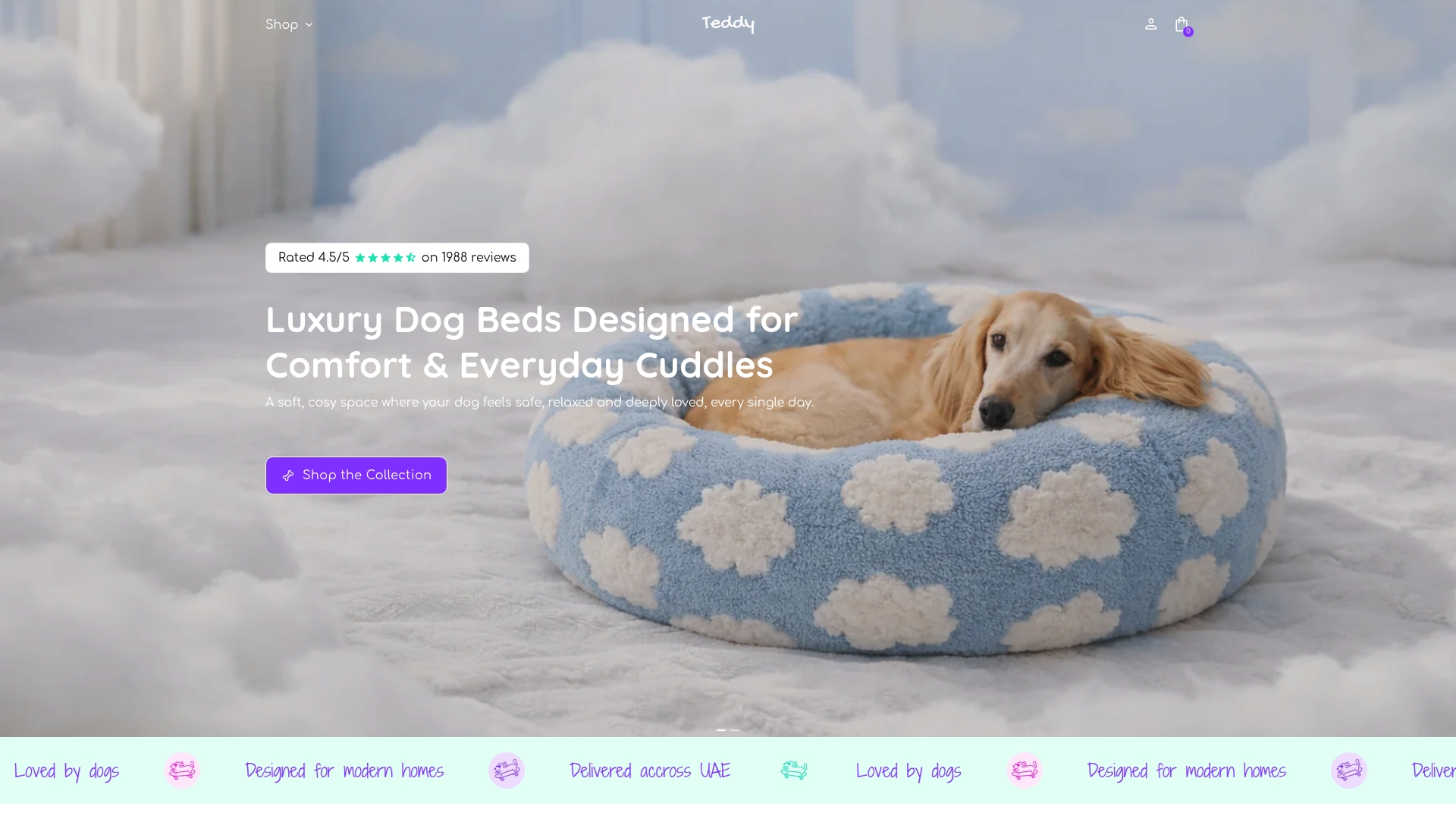
Transform your urban apartment into a haven where your dog feels secure and loved. Visit Teddy Pet now to find calming pet accessories and cozy retreat products that blend seamlessly into your living space while making daily life easier for both you and your dog. Take the first step toward a more peaceful home environment today.
Frequently Asked Questions
How can I create a calm home environment for my dog in an urban setting?
To create a calm home environment for your dog, focus on reducing noise, controlling lighting, and removing visual clutter. Designate safe spaces for your dog to retreat to and incorporate calming elements like soft music or white noise. Set up these changes gradually to help your dog adjust comfortably.
What are some effective natural scents to use for calming my dog?
Effective natural scents include lavender, chamomile, and valerian, which can help trigger relaxation responses in dogs. Use these fragrances safely by diffusing them in shared spaces or applying them to special collar tags. Start with diluted oils and monitor your dog’s reaction to ensure comfort.
How do calming pet accessories work for anxious dogs?
Calming pet accessories, like weighted vests or pheromone collars, use gentle pressure or soothing scents to reduce anxiety in dogs. Choose accessories that fit your home’s aesthetic and introduce them slowly, observing how your dog responds over a few weeks. This may significantly lower their stress levels during common anxiety-inducing situations.
Why is a consistent routine important for my dog’s anxiety management?
A consistent routine helps dogs feel secure by establishing predictability in their daily activities. Set fixed times for meals, walks, and play sessions to regulate their internal clock. Within a few weeks, you’ll likely see a reduction in stress-related behaviors as your dog adjusts to the routine.
How can touch and massage help calm my dog?
Gentle touch and massage can lower your dog’s stress hormones while strengthening your emotional connection. Start by using slow, deliberate strokes during calm moments, such as during quiet evenings. Regular practice can create measurable stress relief, enhancing your dog’s overall well-being.
What role does music play in calming my dog?
Calming music can significantly reduce anxiety-related behaviors in dogs by creating a soothing acoustic environment. Opt for slow-tempo classical music or specially composed dog relaxation tracks, and play them during stressful times, like thunderstorms or when you’re away. Aim to play the music consistently to help your dog feel relaxed and secure.
Recommended


